Cat Scratching Board Guide: Best Types and Materials
Cat scratching boards come in many shapes and materials, and the best choice depends on your cat’s scratching style, your space, and how often you want to replace the product. This reorganized guide explains the main design categories and material options in a clearer, easier-to-read format.

Choose by design
Different designs affect stability, scratching angles, and whether the product doubles as a resting spot.
| Design type | What it is best known for | Typical cat preference |
|---|---|---|
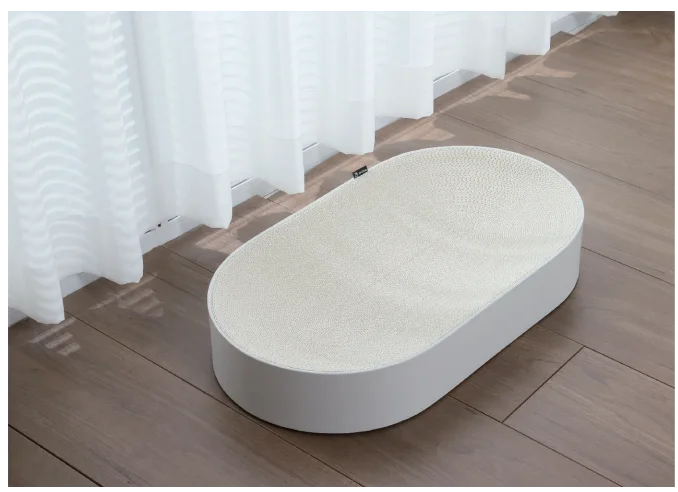
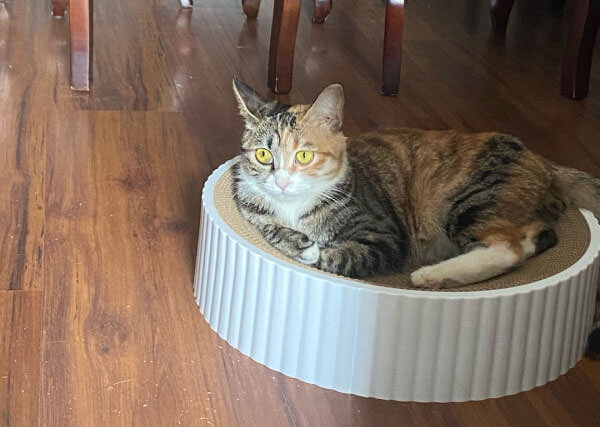
| Bed-type scratching board | 3D scratching surface plus a lounging/resting area; often round, box, or house-shaped | ★★★★★ |
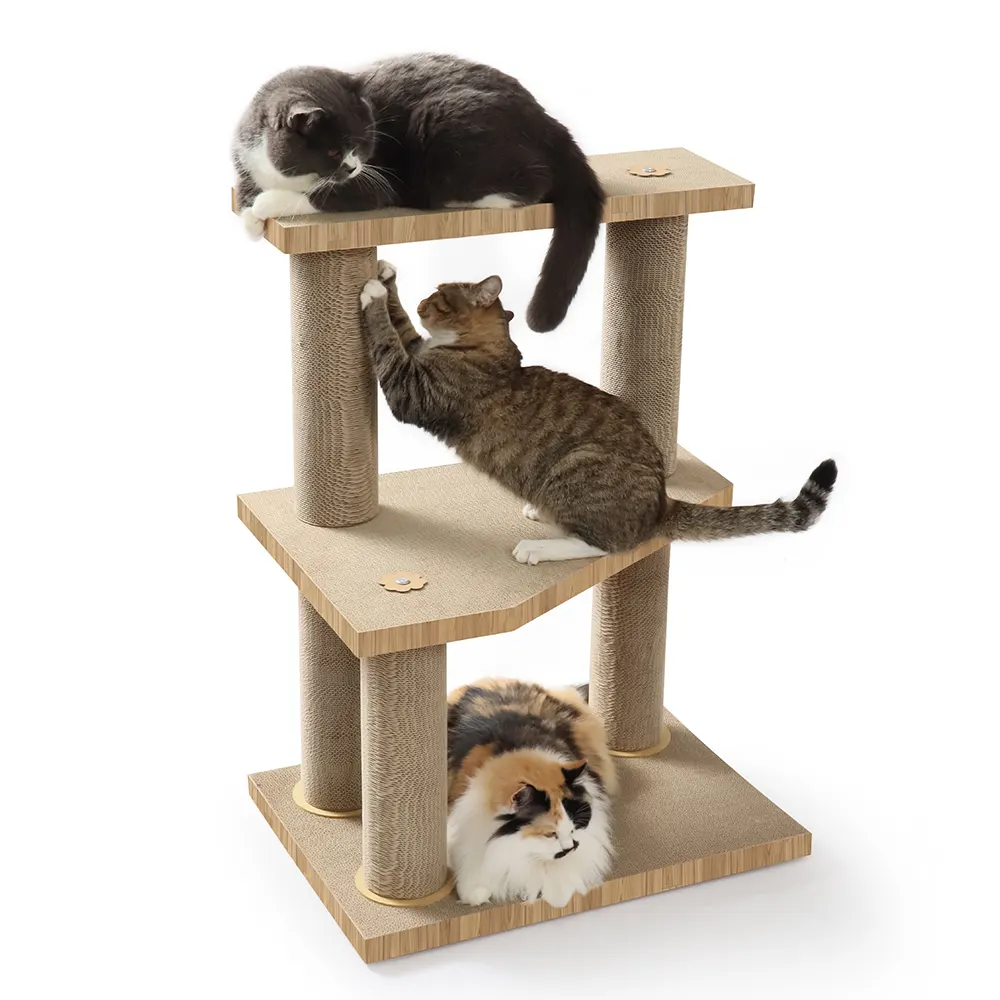
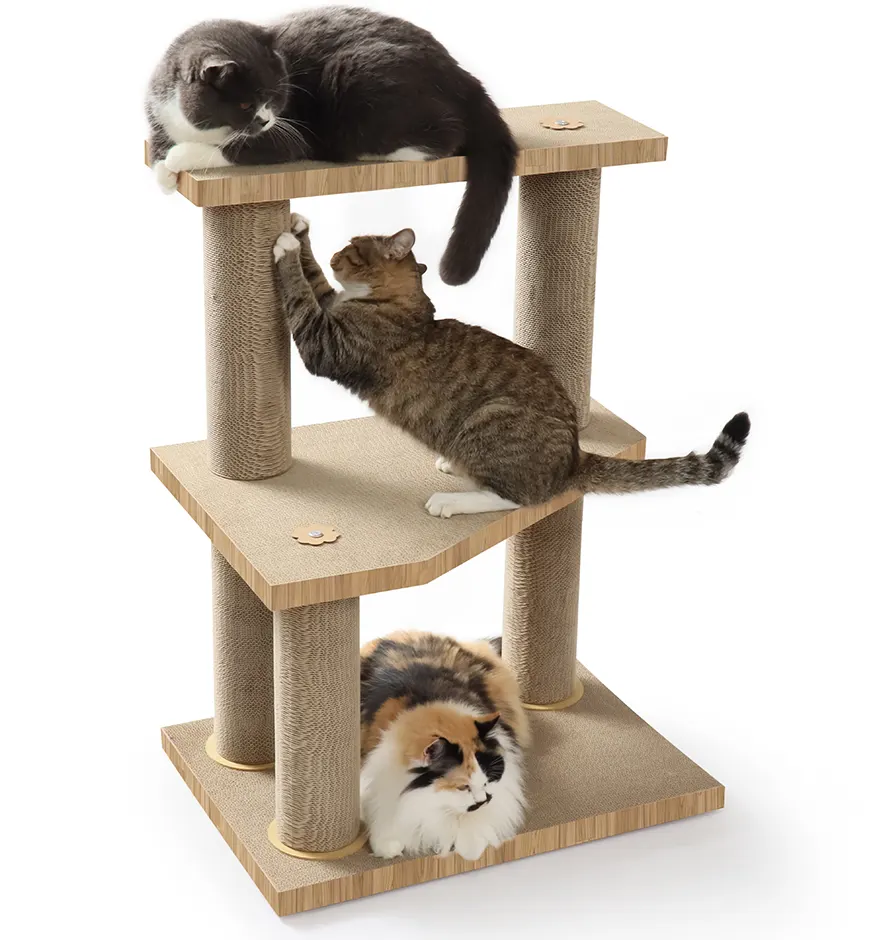
| Vertical scratching post | Thick cylindrical/square post; sturdy for scratching from multiple angles | ★★★★☆ |
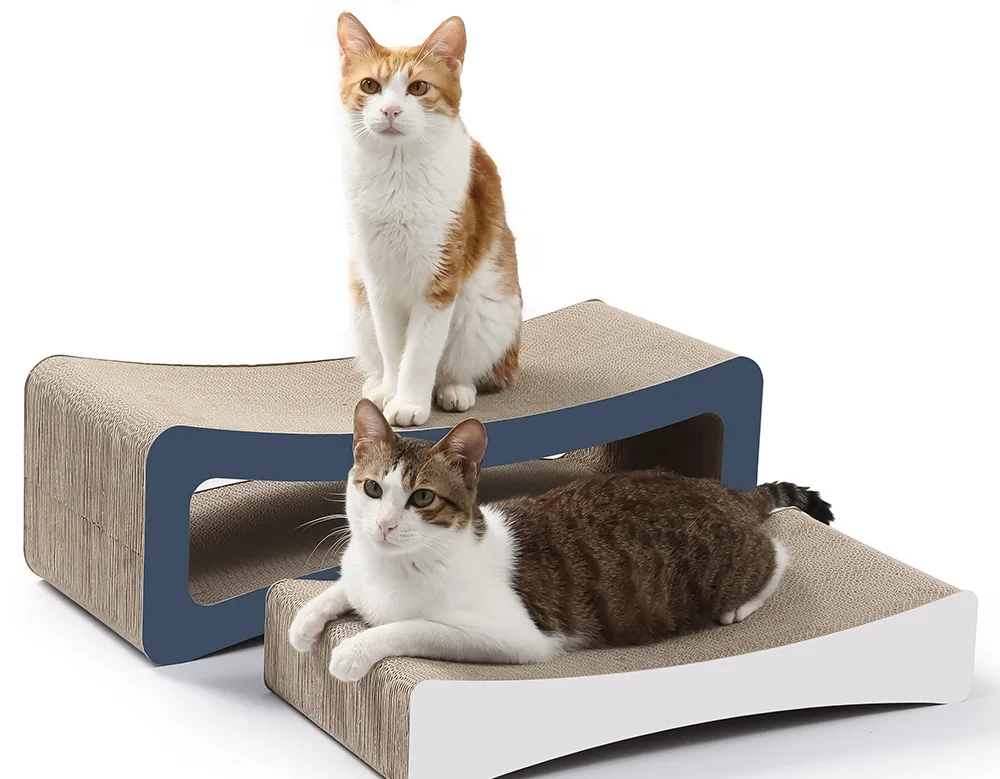
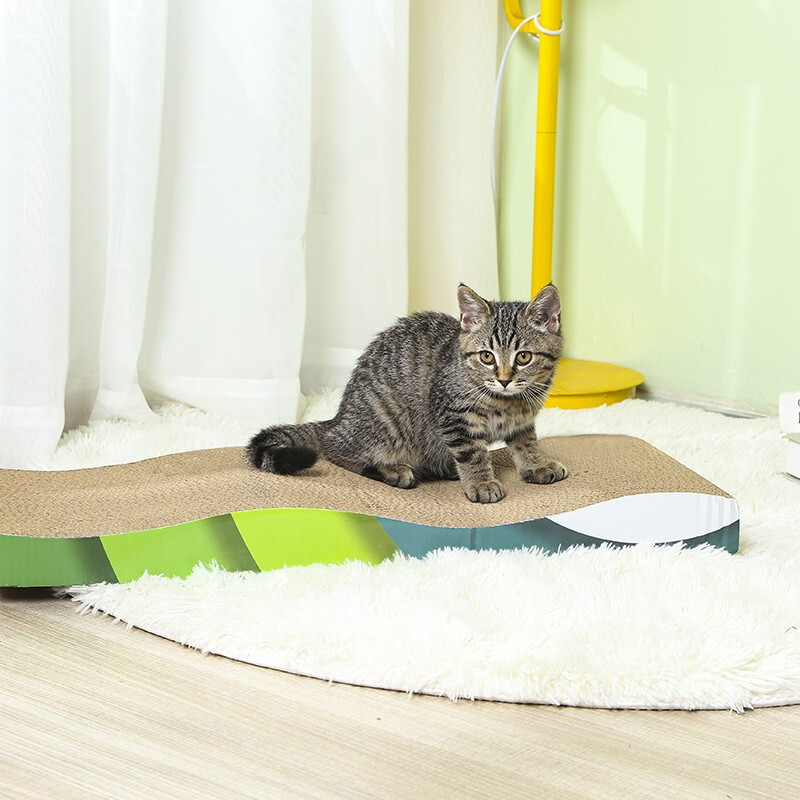
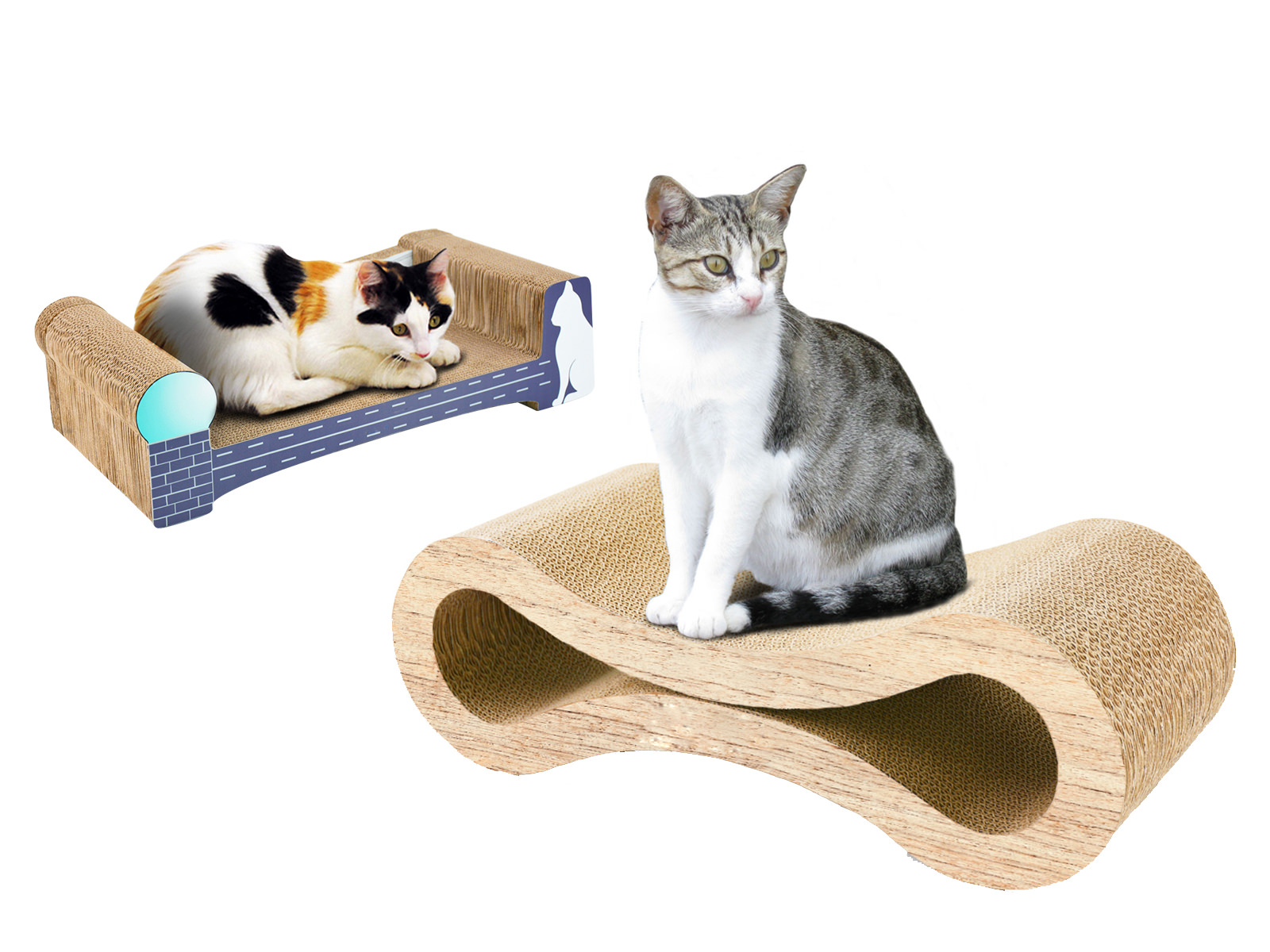
| Curved scratching board | Allows different angles and pressure; often thinner and easier to slide/move, usually less durable | ★★★★ |
| Flat scratching board | Simple flat surface; less functional and less recommended today | ★★★ |
| Special-shaped (mushroom, L-shaped, stand-up) | Often adds toys or resting areas; L-shaped tends to be stable; stand-up saves space and stores easily | — |
Choose by material
Material affects durability, shedding/cleanliness, odor, and how “satisfying” it feels to scratch.
| Material | Strengths | Trade-offs |
|---|---|---|
| Corrugated paper | Affordable and widely available in many shapes; meets basic scratching needs | Less durable; can shed paper scraps; may need frequent replacement |
| Sisal rope / sisal fabric | Tough natural fiber; durable and appealing texture; natural scent can attract cats | Rope styles can loosen over time due to glue/attachment; fabric versions can get fluffy and lose texture over time |
| Polypropylene (PP) | Synthetic alternative; soft yet durable; minimal odor; doesn’t shed; gentle on claws; described as eco-friendly | — (trade-offs not specified) |
| Rush grass | Handwoven natural material; washable; natural grassy scent; reusable and eco-friendly | — (trade-offs not specified) |
How to pick the right one
Start by matching the board to your cat’s behavior: cats that love lounging often prefer bed-style designs, while strong scratchers may do better with stable vertical or L-shaped options. Next, match material to your tolerance for mess and replacement frequency—corrugated paper is budget-friendly but usually sheds and wears faster, while sisal/PP/rush grass options tend to last longer. Finally, consider your home layout: stand-up or vertical styles save floor space, while wider bed-style boards can act as both a scratch zone and a resting spot.