Why Cats Scratch the Sofa and Walls Even With a Scratching Post
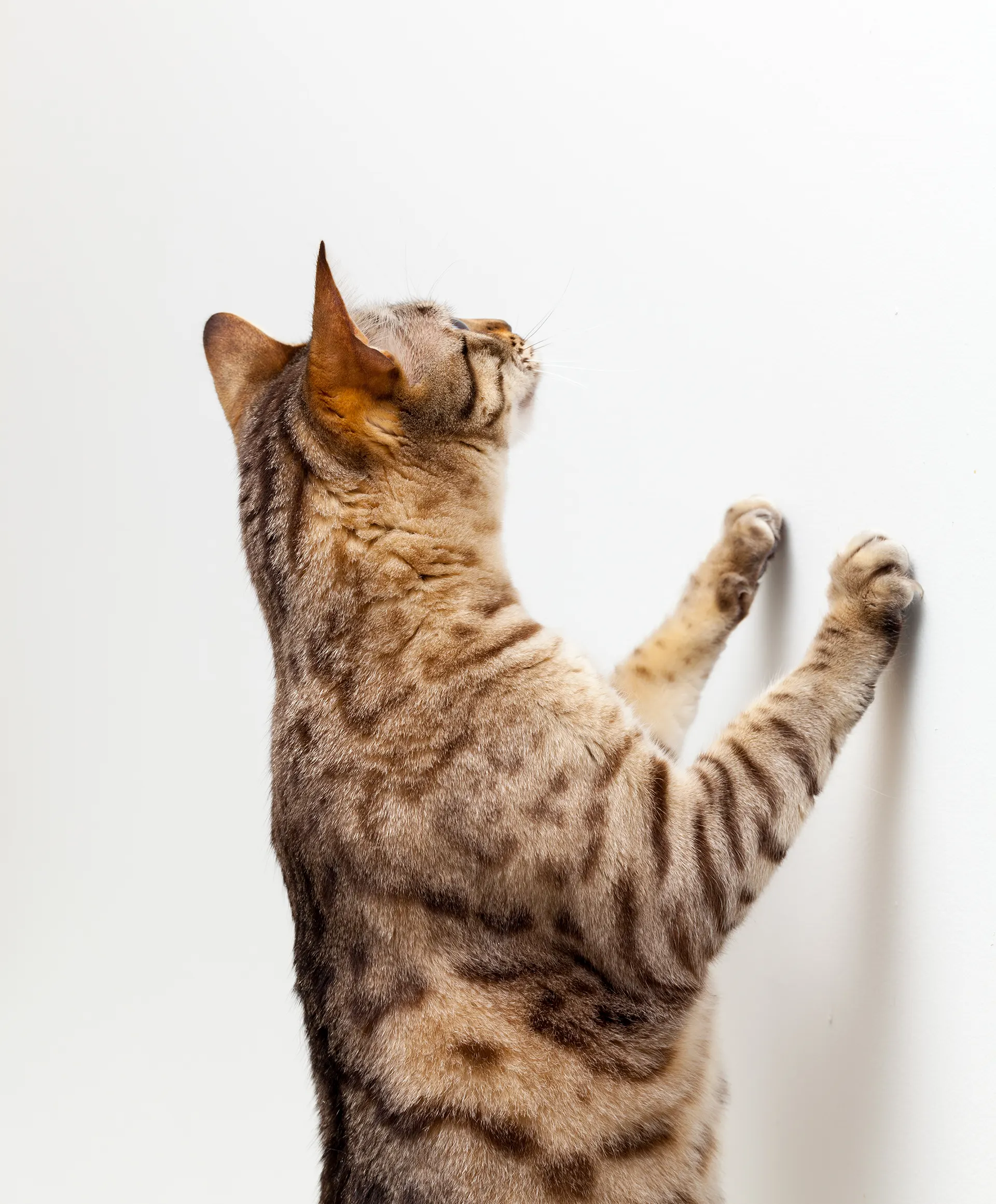
Cats don’t scratch only to “sharpen claws.” Scratching also helps them stretch their shoulders and back, reduce tension, and leave scent marks that signal territory. So even if you already bought a scratching post, your cat may still choose the sofa or wall if it better matches their instinct in that moment.
Scratching is also marking and stretching
Cats have scent glands in their paws, and scratching leaves both visual marks and scent. Sofas and walls are often central parts of the home, so scratching them can feel more “effective” than scratching a post tucked away in a corner.
The post isn’t in the right place
Cats scratch where they walk and where they rest. If the scratching post is far from the living room, hallway, or near the cat’s favorite sleeping spot, the cat may simply scratch the sofa because it’s right there when the urge hits.
A good rule is to place a scratcher within a few steps of the area your cat already targets, then only move it gradually after the behavior improves.
The texture or angle doesn’t match your cat’s preference
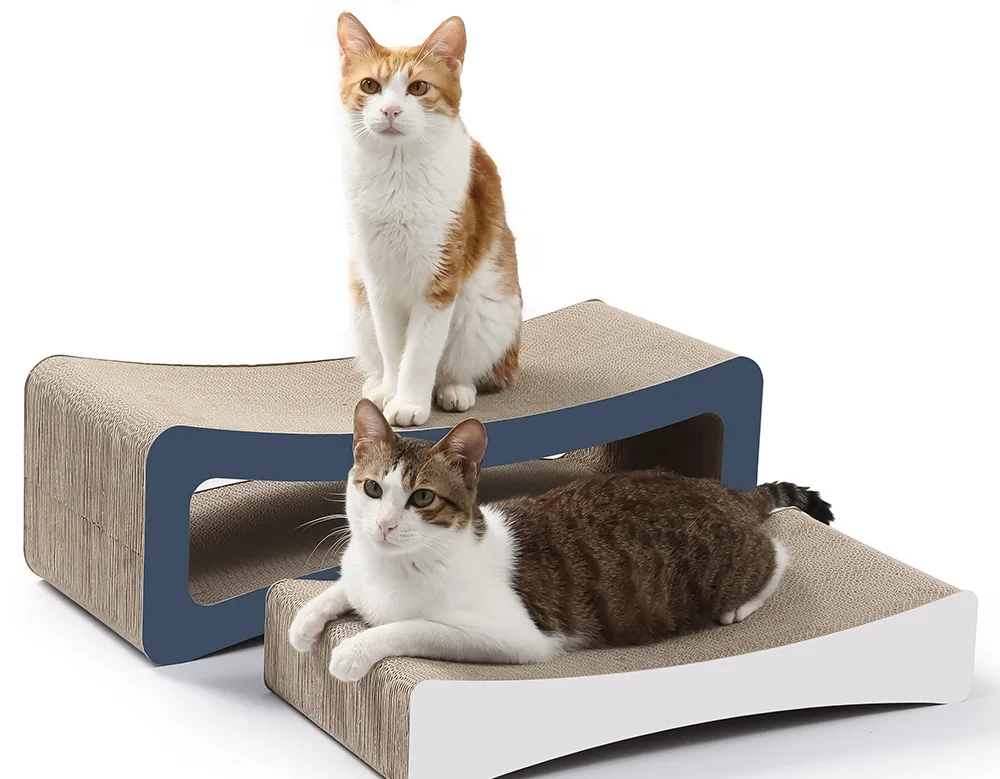
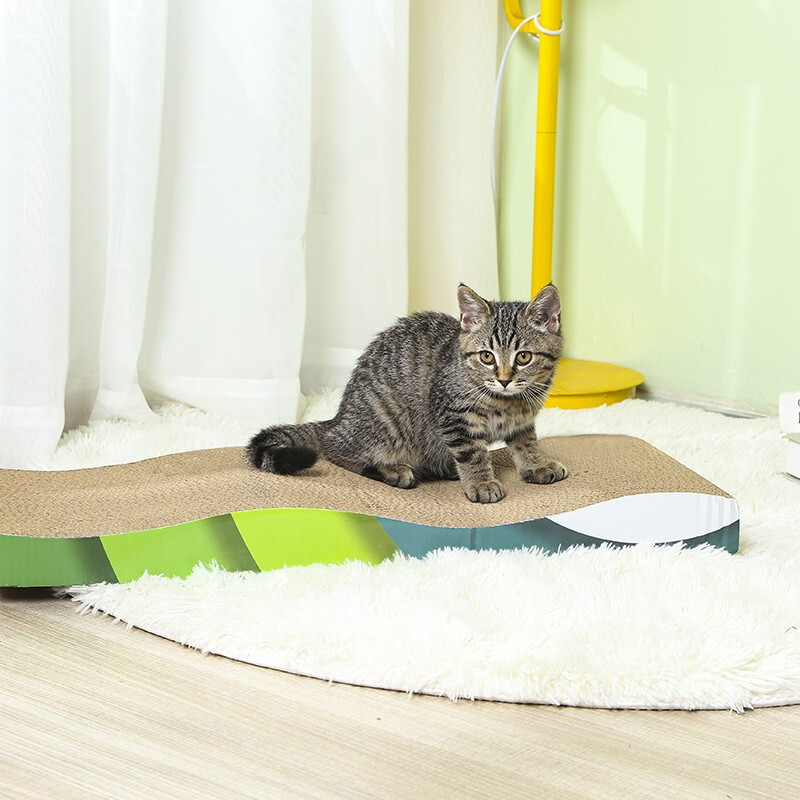
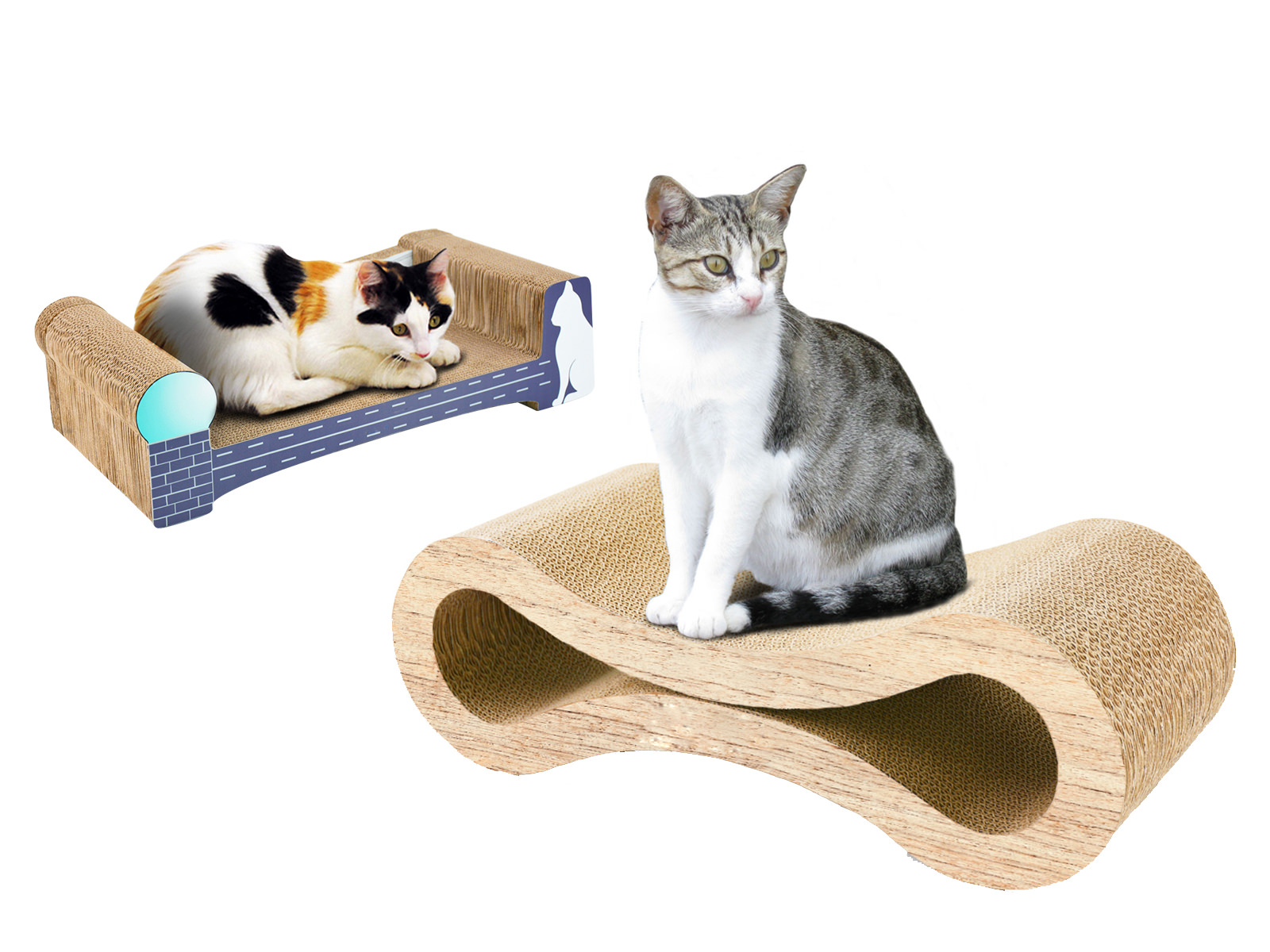
Many cats prefer vertical scratching (like the side of a sofa), while others prefer horizontal scratching (like a rug). Some like the firm resistance of upholstery, and others like corrugated cardboard or sisal. If your scratcher’s angle, height, or texture doesn’t “feel right,” the sofa will keep winning even if the scratcher is new.
The scratcher is worn out and no longer satisfying
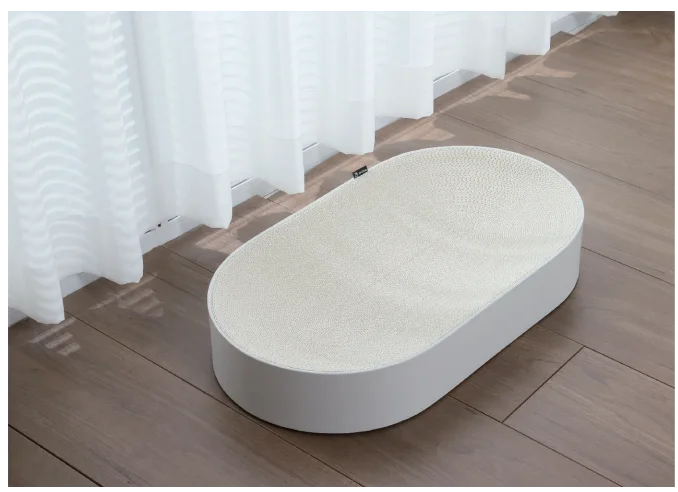
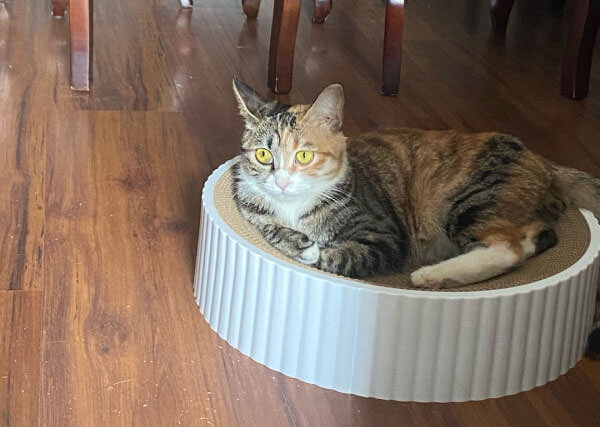
Corrugated cardboard scratch pads lose their structure over time. Once the surface becomes flattened, dusty, or soft, it stops giving that rewarding resistance. Walls and sofas, on the other hand, stay consistent—so cats often switch back.
Replacing or rotating scratchers before they become too worn helps maintain that satisfying scratch sensation.
The scratcher feels unstable or unsafe
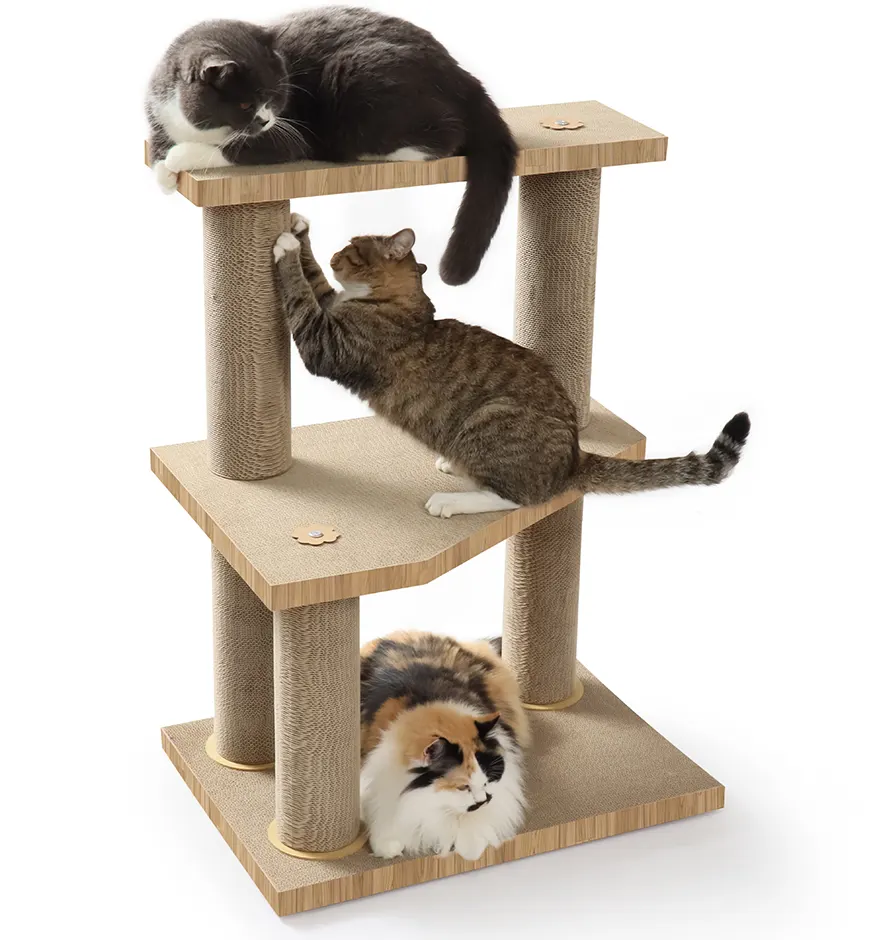
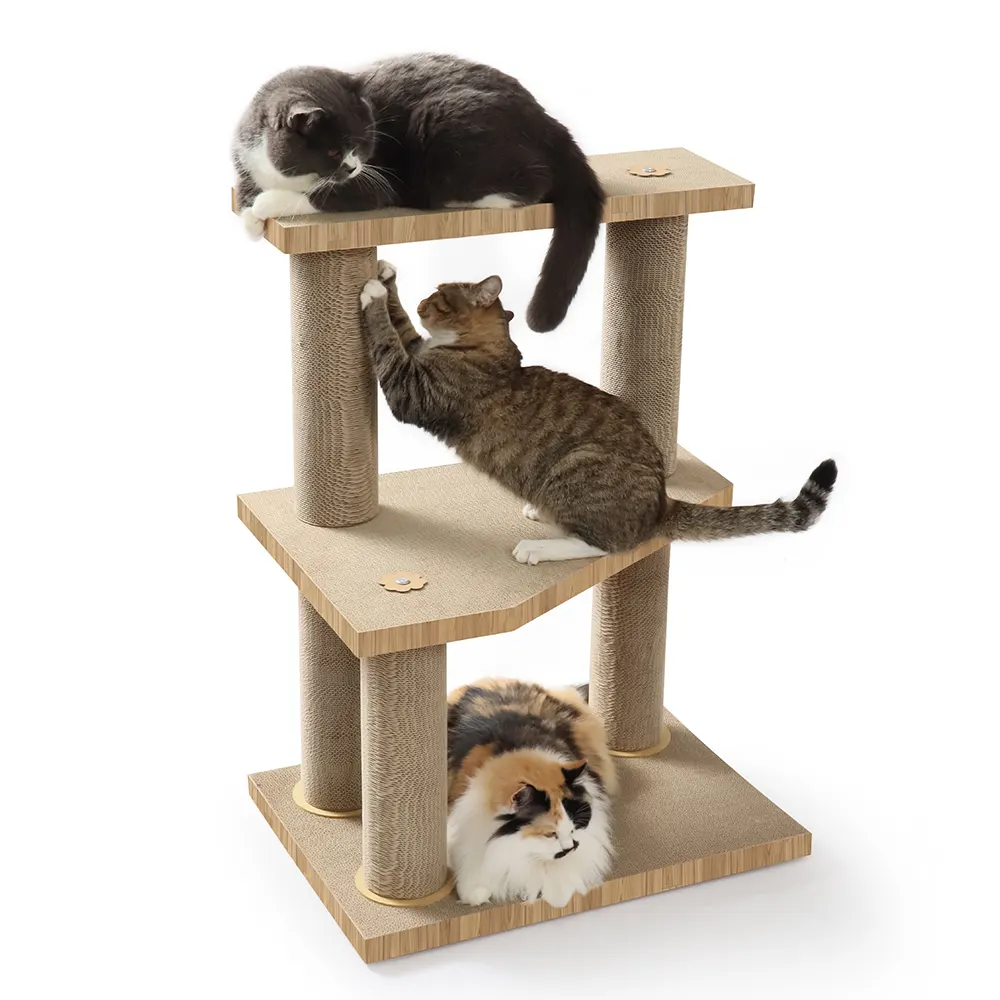
If the post wobbles, slides, or tips, cats may avoid it. A stable scratching post should feel solid when the cat puts full body weight into it. Taller posts and heavier bases often work better, especially for larger cats.
Stress, boredom, or learned attention can reinforce scratching
Scratching can increase when cats feel bored, anxious, or under-stimulated. Also, if scratching the sofa reliably makes humans react, the cat may learn that this behavior gets immediate attention— even if the attention is negative.
What to do (simple fixes that usually work)
Try these adjustments first before assuming your cat is being “stubborn”:
-
Put a tall, stable scratcher right next to the sofa or wall your cat targets most
-
Offer both vertical and horizontal scratchers, and test different materials (corrugated cardboard, sisal, fabric)
-
Replace scratchers early, before they go flat and lose resistance
-
Reward correct scratching with treats or play, and reduce access to the problem spot temporarily with a cover or safe deterrent