Can Rabbits Use Corrugated Cardboard Cat Scratchers?
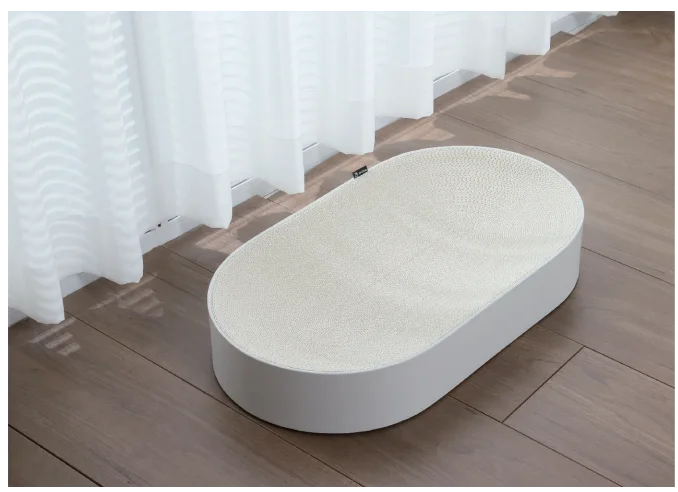
Corrugated cardboard cat scratchers can be an enjoyable enrichment option for some rabbits—but not every product is suitable. While plain cardboard is commonly used for rabbit toys and hideaways, a commercial cat scratcher may contain adhesives, coatings, fragrances, or other components that need checking before a rabbit is allowed to chew it.
With suitable materials and careful observation, a cardboard scratcher can give your bunny an appealing place to dig, shred, and carry out a little “bunstruction.”
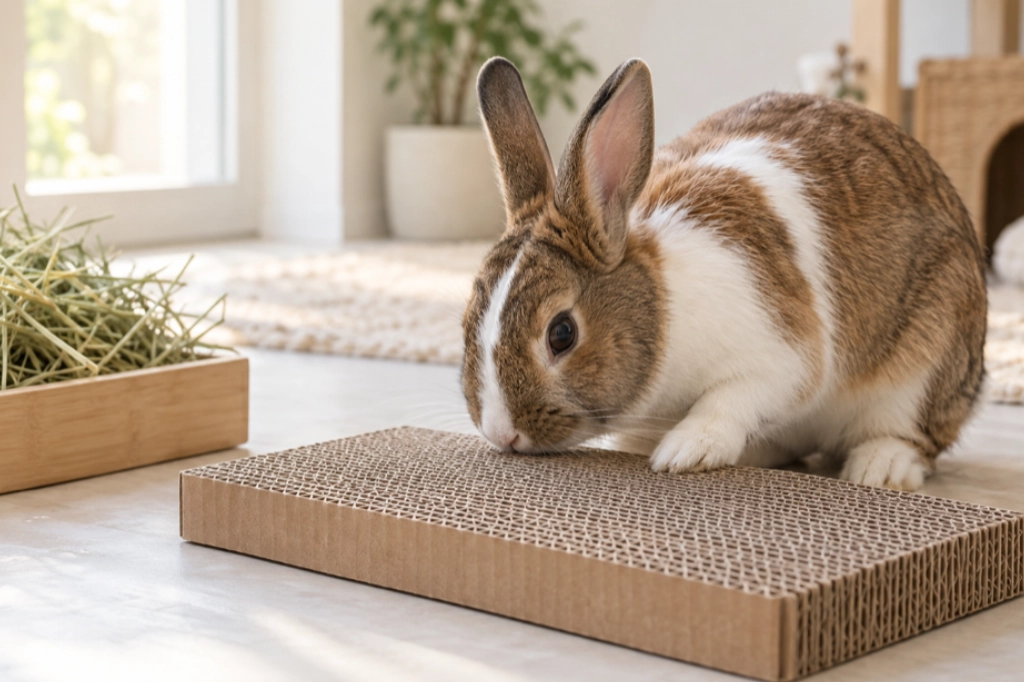
Why Rabbits Enjoy Cardboard Scratchers
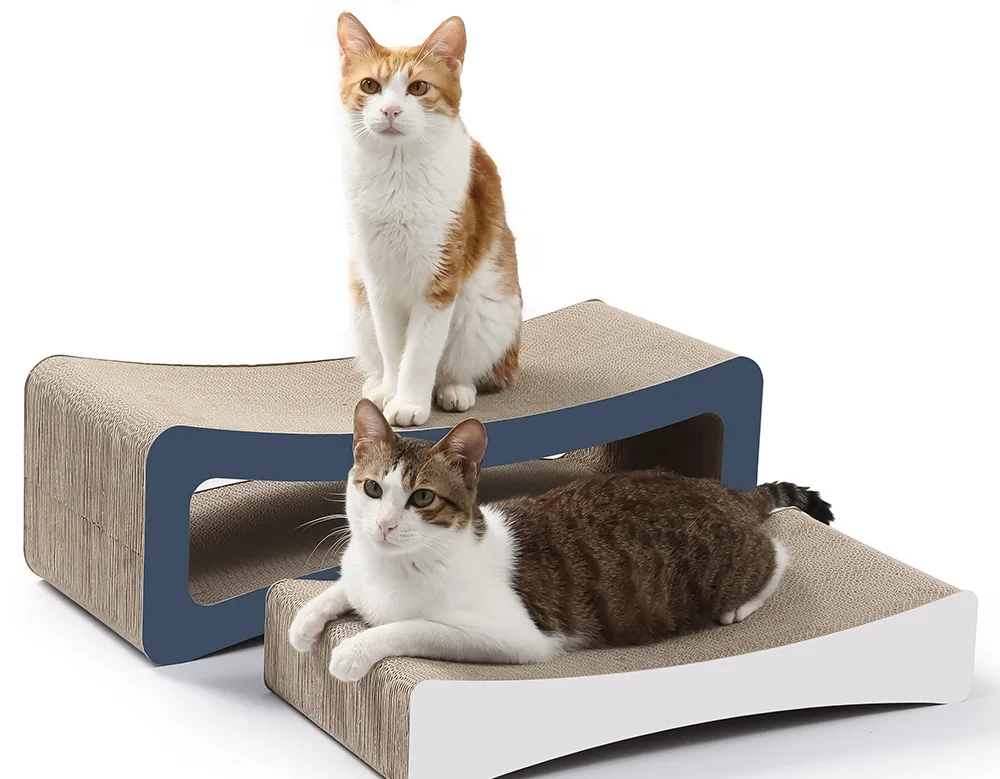
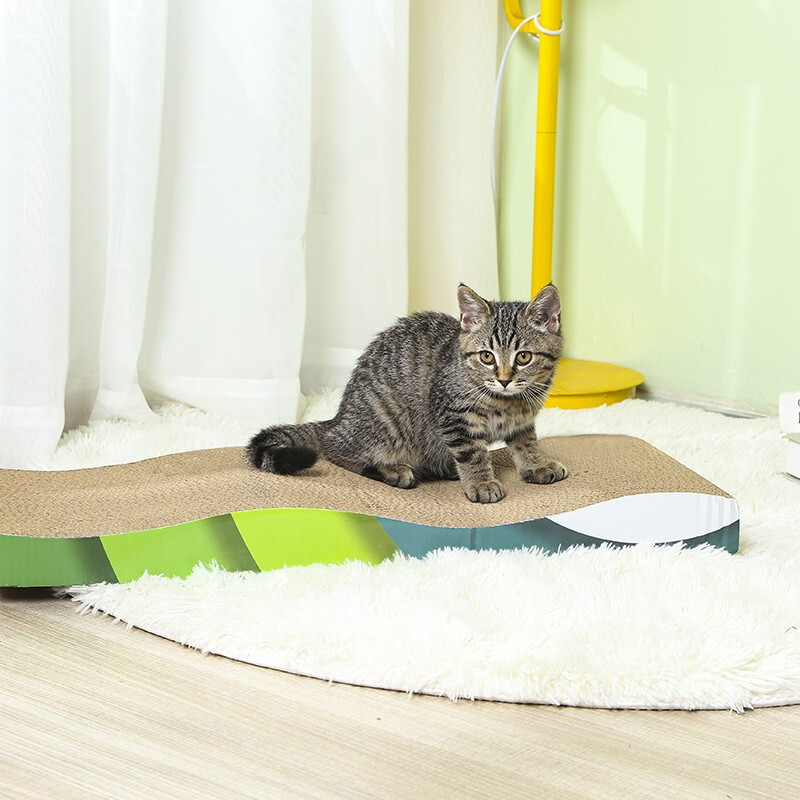
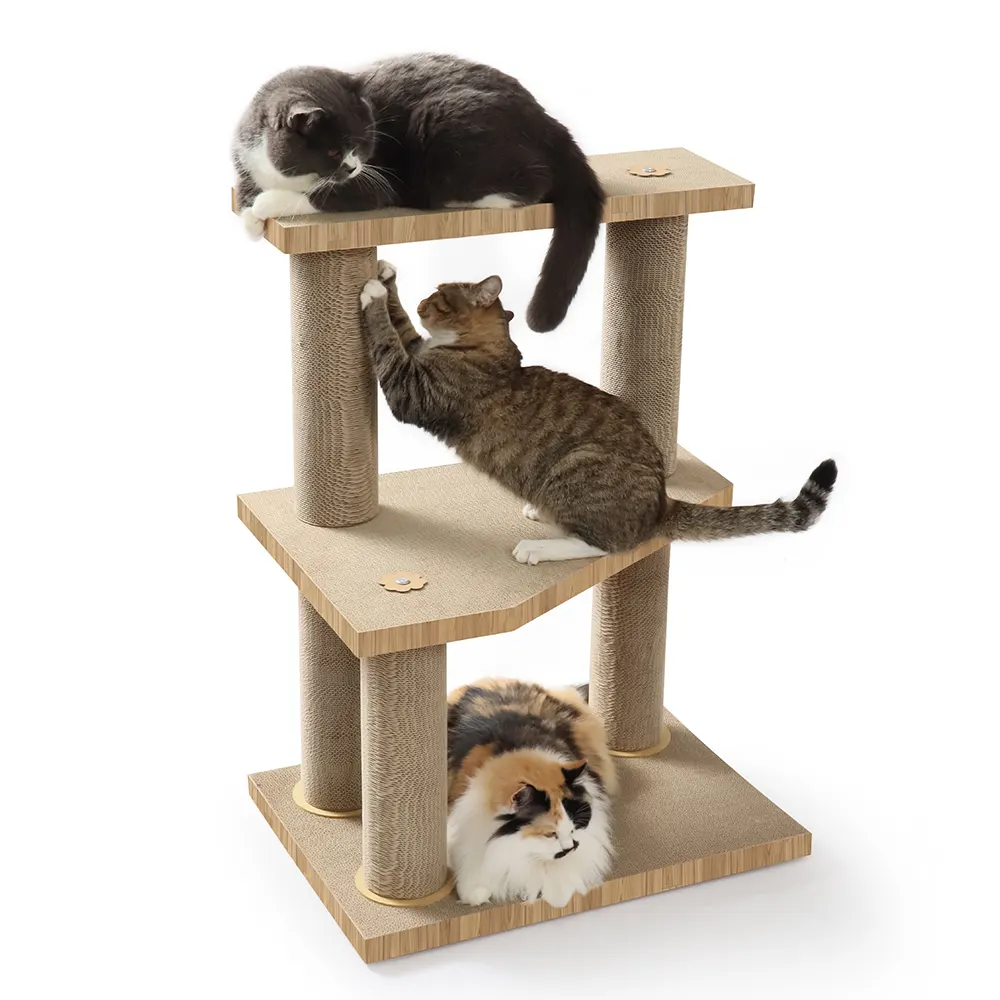
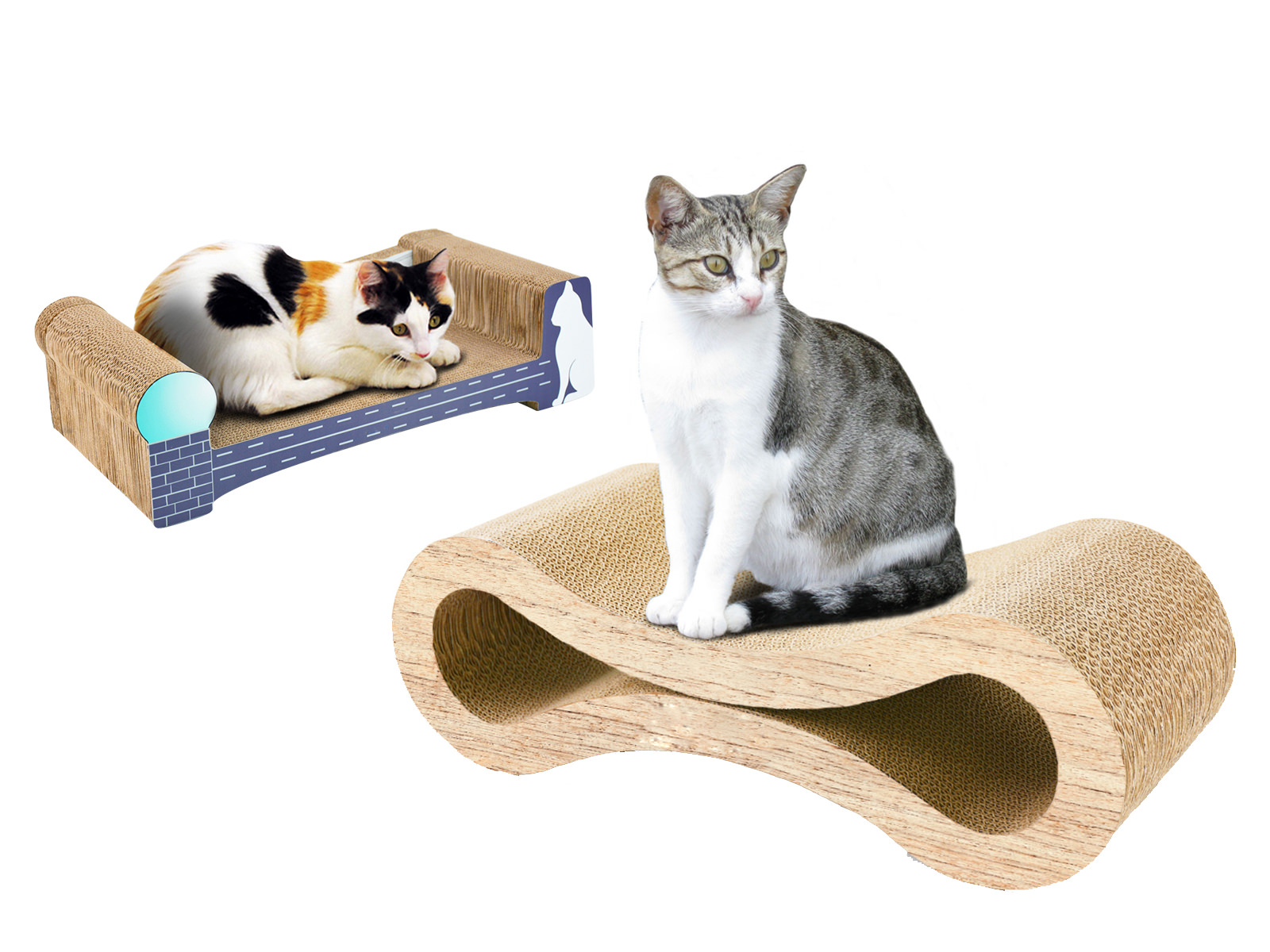
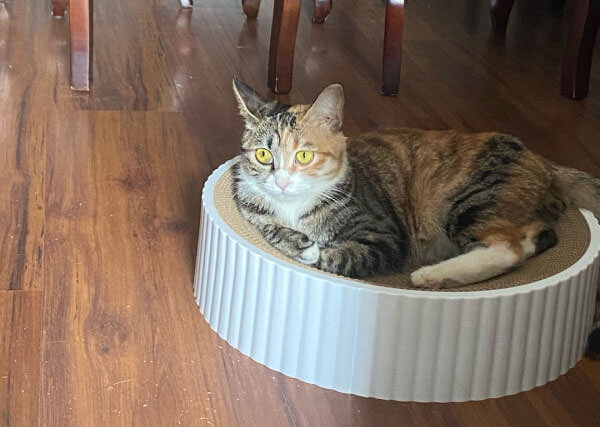
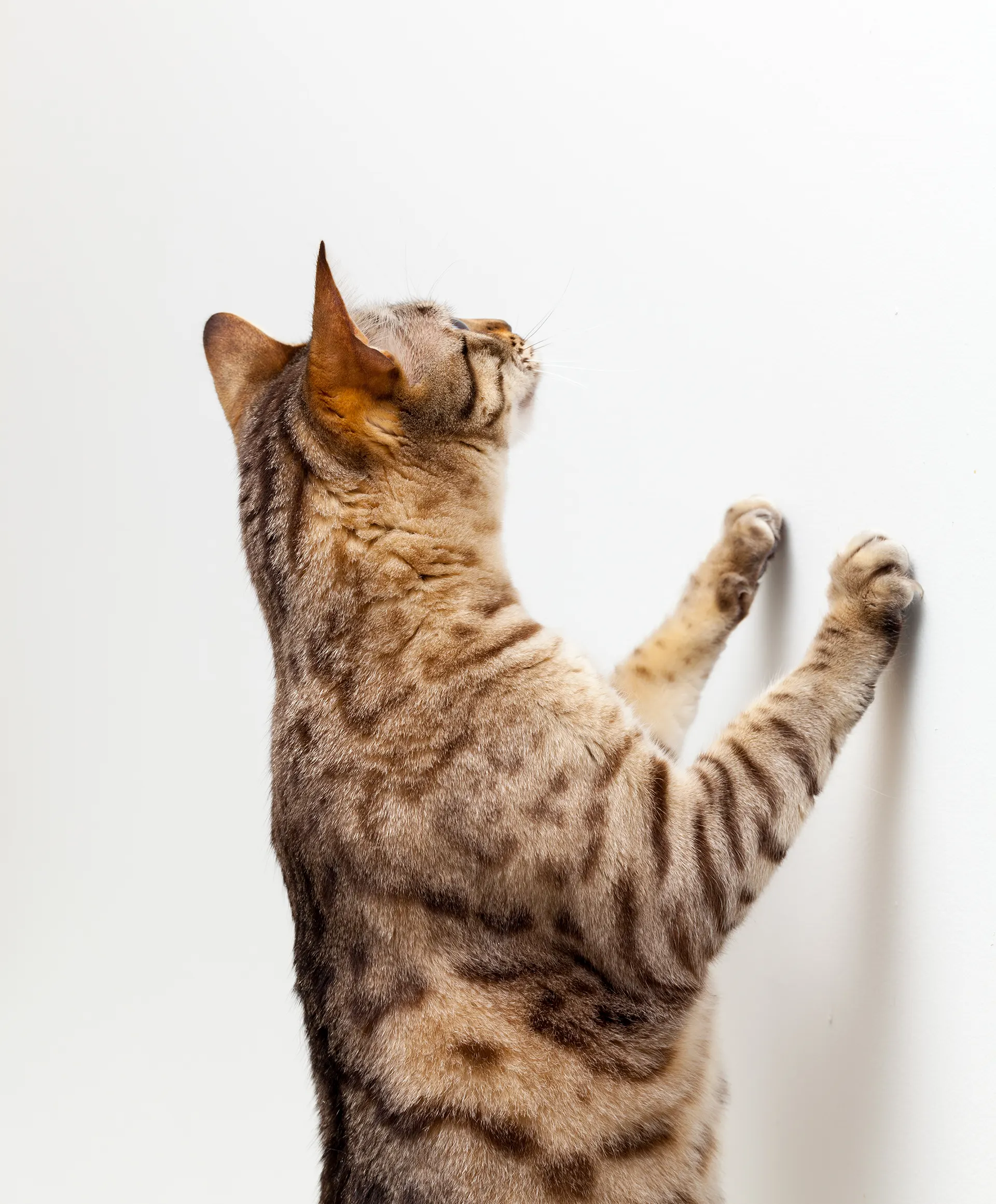
Many rabbit owners report that their bunnies enjoy cardboard scratching pads, bridges, and houses. These products offer different textures and shapes to investigate, as well as an outlet for natural digging and chewing behaviours.
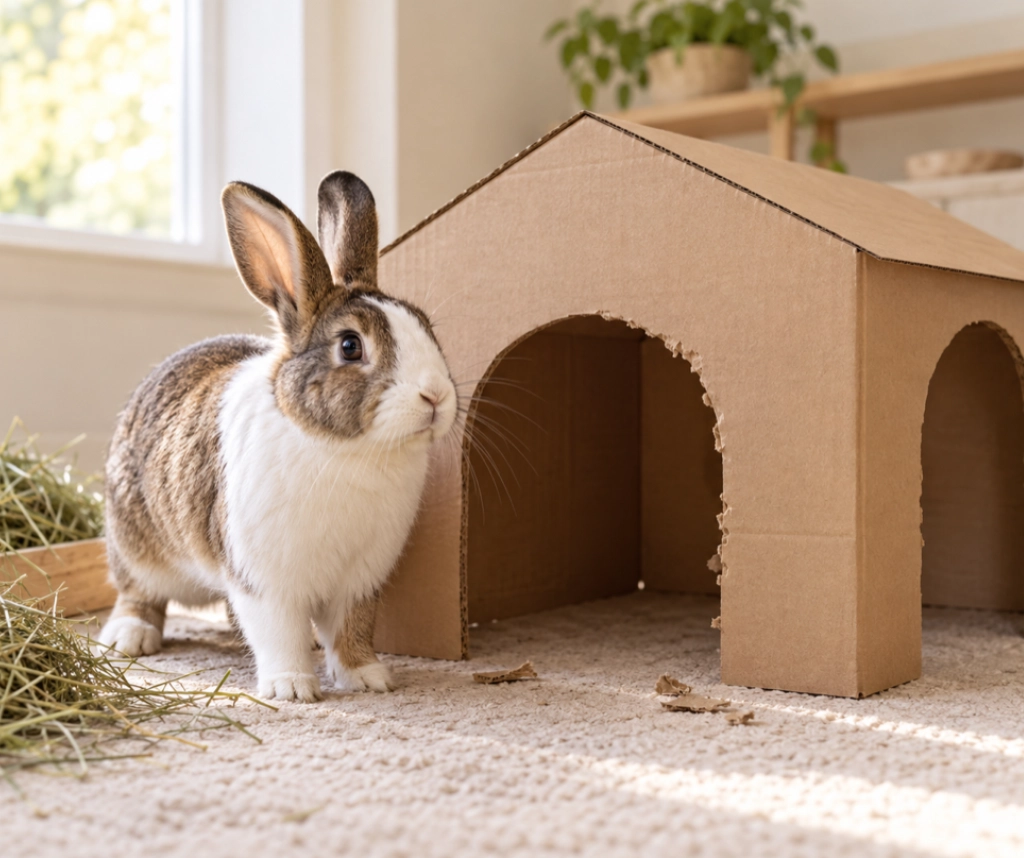
Cardboard houses can be particularly entertaining. Some rabbits rest inside them, while others get straight to work widening doorways or creating new openings. This enthusiastic remodelling can be part of normal play, provided the rabbit is mainly shredding the material rather than eating large amounts.
Preferences vary: one rabbit may love a flat scratching pad, while another prefers a simple cardboard box. There is no need to choose an elaborate design to provide an interesting activity.
Check the Materials Before Buying
Do not assume that a product is suitable for rabbits simply because it is made for cats or labelled “recycled cardboard.” Neither description tells you everything about its adhesives, coatings, or added treatments.
Choose plain, uncoated cardboard wherever possible, and avoid products with accessible plastic, tape, string, staples, or other metal fixings. Remember that rabbits can expose hidden components as they chew.
Adhesives deserve particular attention. The Rabbit Welfare Association & Fund (RWAF) advises that glues used in rabbit-accessible cardboard structures should be kept to a minimum and should be non-toxic and water-soluble. Resin-based glues should not be used.
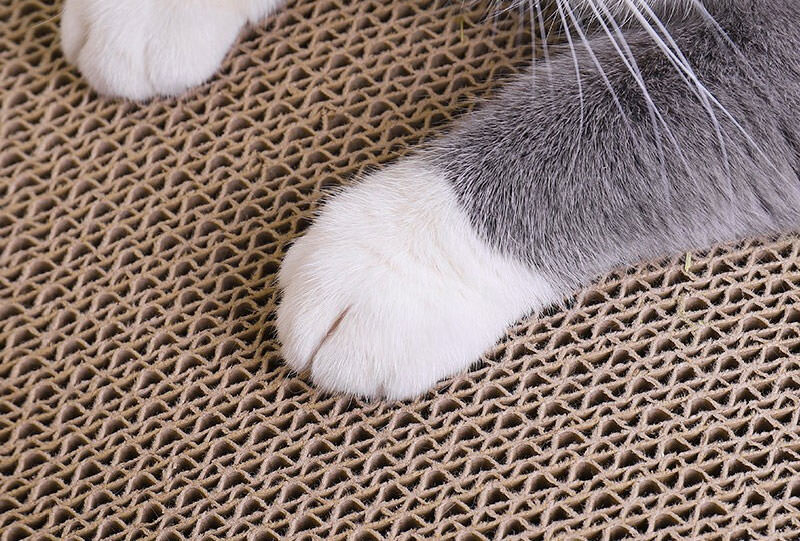
If the manufacturer cannot clarify the materials or adhesives, choose a simpler alternative with known materials. A “non-toxic” label alone does not mean a product is intended to be eaten.
Leave Out the Catnip Packet
Some cat scratchers include an optional packet of catnip. Leave it out and choose an unscented product to avoid unnecessary additives.
This is a precautionary recommendation, not a claim that catnip has been established as poisonous to rabbits. There is no need to add catnip for your bunny to enjoy digging at or shredding cardboard.
Watch for Shredding Versus Eating
Cardboard should be an enrichment material, not a food source. Rabbits should always have access to plenty of appropriate hay; cardboard is no substitute for it.
Watch how your rabbit uses the scratcher. Tearing off pieces and leaving them scattered around is different from repeatedly chewing and swallowing substantial amounts. If your rabbit is eating a lot of cardboard, remove it and seek advice from a rabbit-savvy veterinarian.
A sudden increase in cardboard eating may also indicate an underlying gastrointestinal problem. As RWAF’s specialist veterinary adviser explains, inappropriate eating and an accumulation of material in the gut can sometimes occur because gut movement has already slowed—not necessarily because the cardboard caused the problem.
If your rabbit eats less, produces fewer or no droppings, becomes lethargic, or appears uncomfortable, seek veterinary care promptly.
A Simple Dig Box Is Another Option
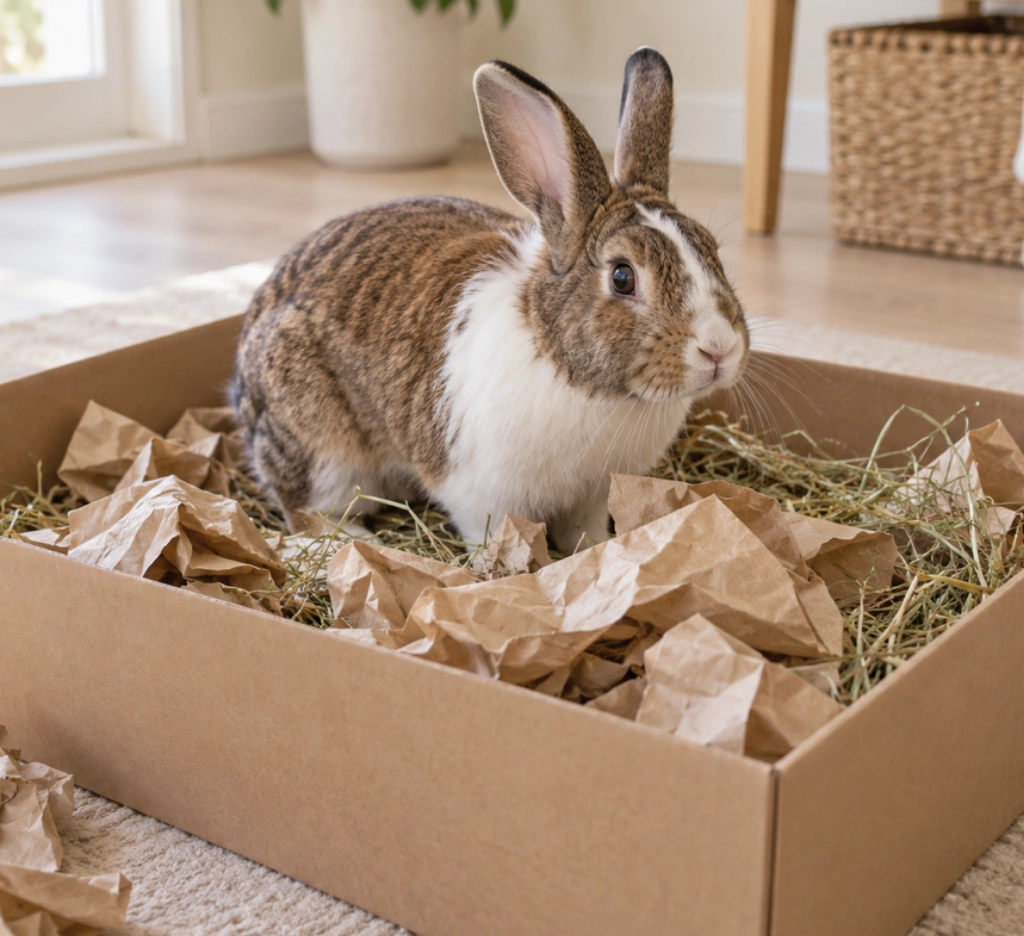
For rabbits that enjoy digging, a sturdy cardboard box filled with loosely crumpled, plain brown packing paper can provide a rewarding activity. Hay can also be included to encourage foraging.
Use clean, dry materials, and remove tape, staples, string, plastic, and other attachments. Avoid packing paper with coatings or contamination from chemicals, oil, or cleaning products.
If you make an enclosed cardboard hideaway, provide two generously sized entrances and enough room for your rabbit to turn around comfortably. Check the openings regularly as chewing changes their shape.
Fabric strips are best left out of this simple setup, particularly if your rabbit chews or swallows textiles. Plain paper and hay are more straightforward starting materials, although you should still monitor how your rabbit uses them.
Inspect and Replace Cardboard Toys Regularly
Cardboard toys do not stay intact for long in an enthusiastic bunny household. Check them regularly and remove them when they become wet, soiled, mouldy, or structurally unstable.
Also watch for exposed fixings, trapped spaces, or openings that could catch a head or limb. Remove loose debris and stop using the toy if its remaining structure is no longer suitable.
A little mess is expected. A collapsing playhouse or an exposed staple is a reason to intervene.
A Cardboard House Is Not Protective Housing
A cardboard scratcher house can offer a hiding place within a safe living area, but it cannot protect a rabbit from cats, other predators, or outdoor weather.
Treat it as a play structure or hideaway—not as a secure enclosure or a replacement for proper rabbit housing.
The Bottom Line
Some corrugated cardboard cat scratchers can be suitable enrichment for rabbits, but the individual product matters. Check its materials and adhesives, leave out optional catnip, and avoid accessible fixings or unnecessary treatments.
Most importantly, observe your rabbit. A bunny that enjoys shredding suitable cardboard may find a scratcher highly entertaining; one that eats large amounts needs a different activity and may need veterinary advice.