Cardboard Cat Scratcher Selection Guide
A cardboard cat scratcher is a simple, affordable way to support a cat’s natural scratching behavior while helping protect furniture, carpets, and other household surfaces. The best choice is not necessarily the largest or most decorative model; it is the one that matches how and where your cat already prefers to scratch.
Start With Your Cat’s Scratching Style
Before buying a scratcher, observe your cat for several days. Pay attention to the surface, angle, and location they choose.
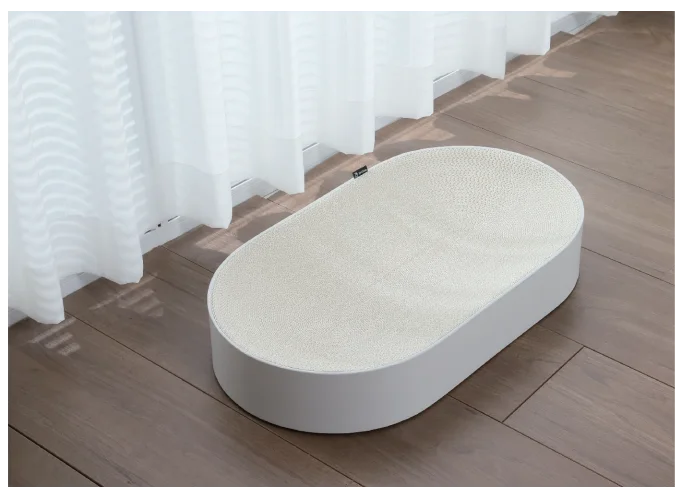
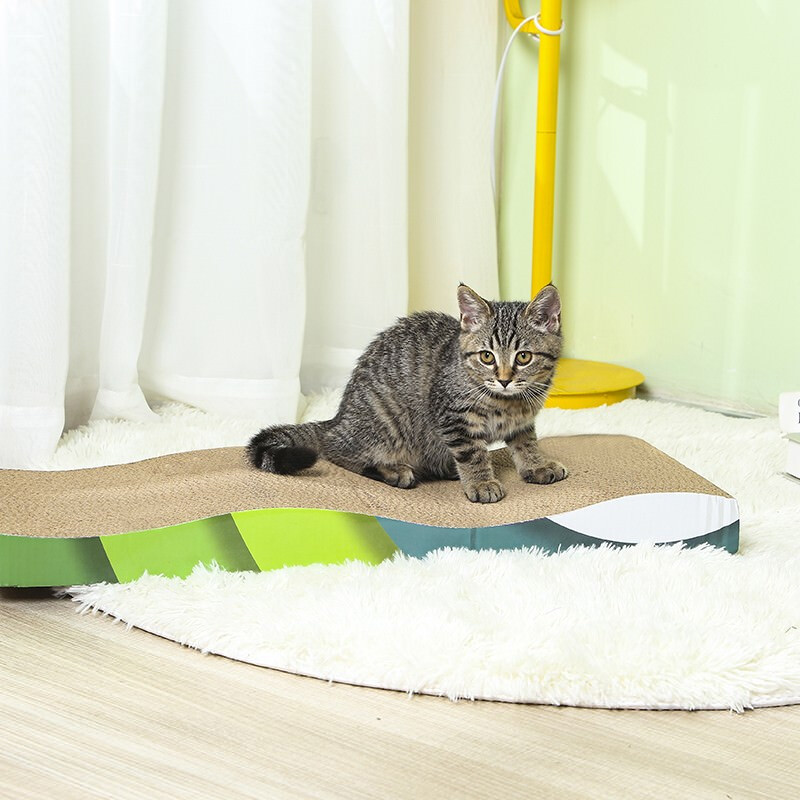
- Horizontal scratchers are best for cats that scratch carpets, rugs, or floor mats.
- Inclined scratchers work well for cats that prefer a raised angle but do not regularly scratch upright furniture.
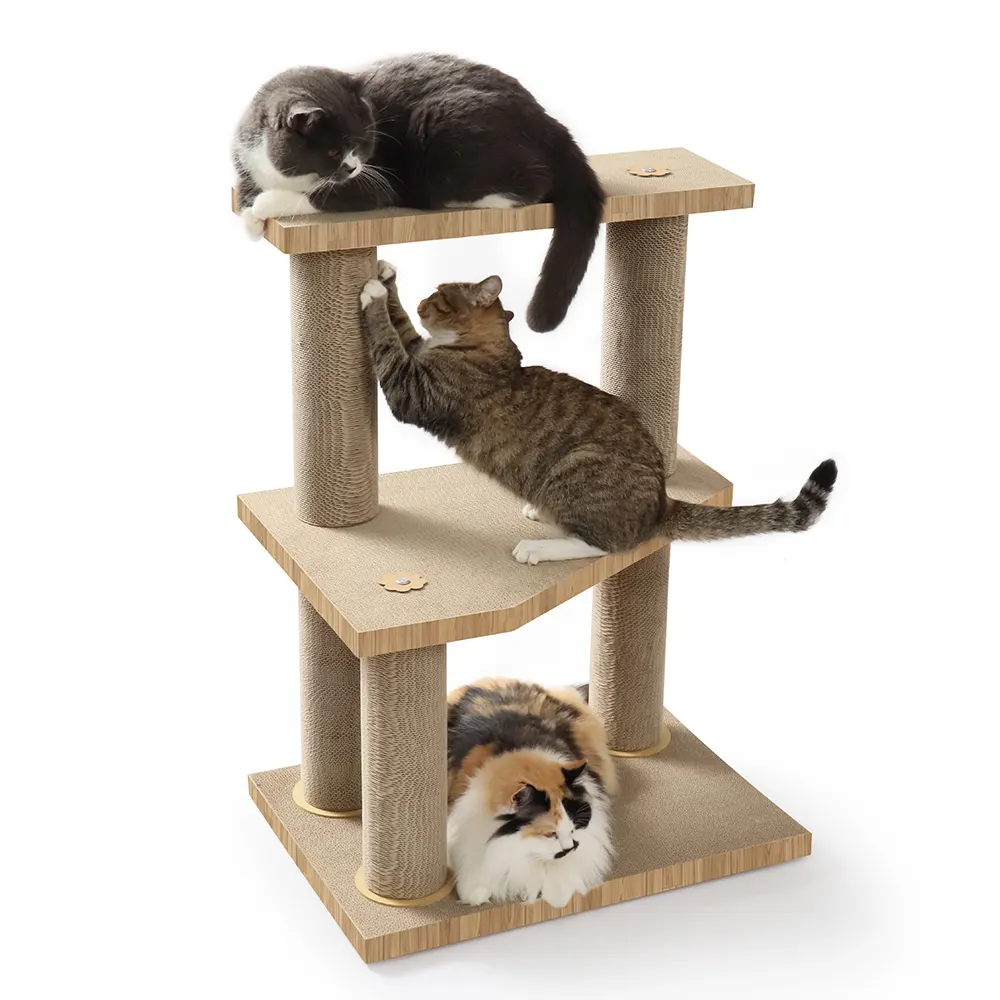
- Vertical cardboard scratchers suit cats that stretch up against sofa arms, walls, or table legs.
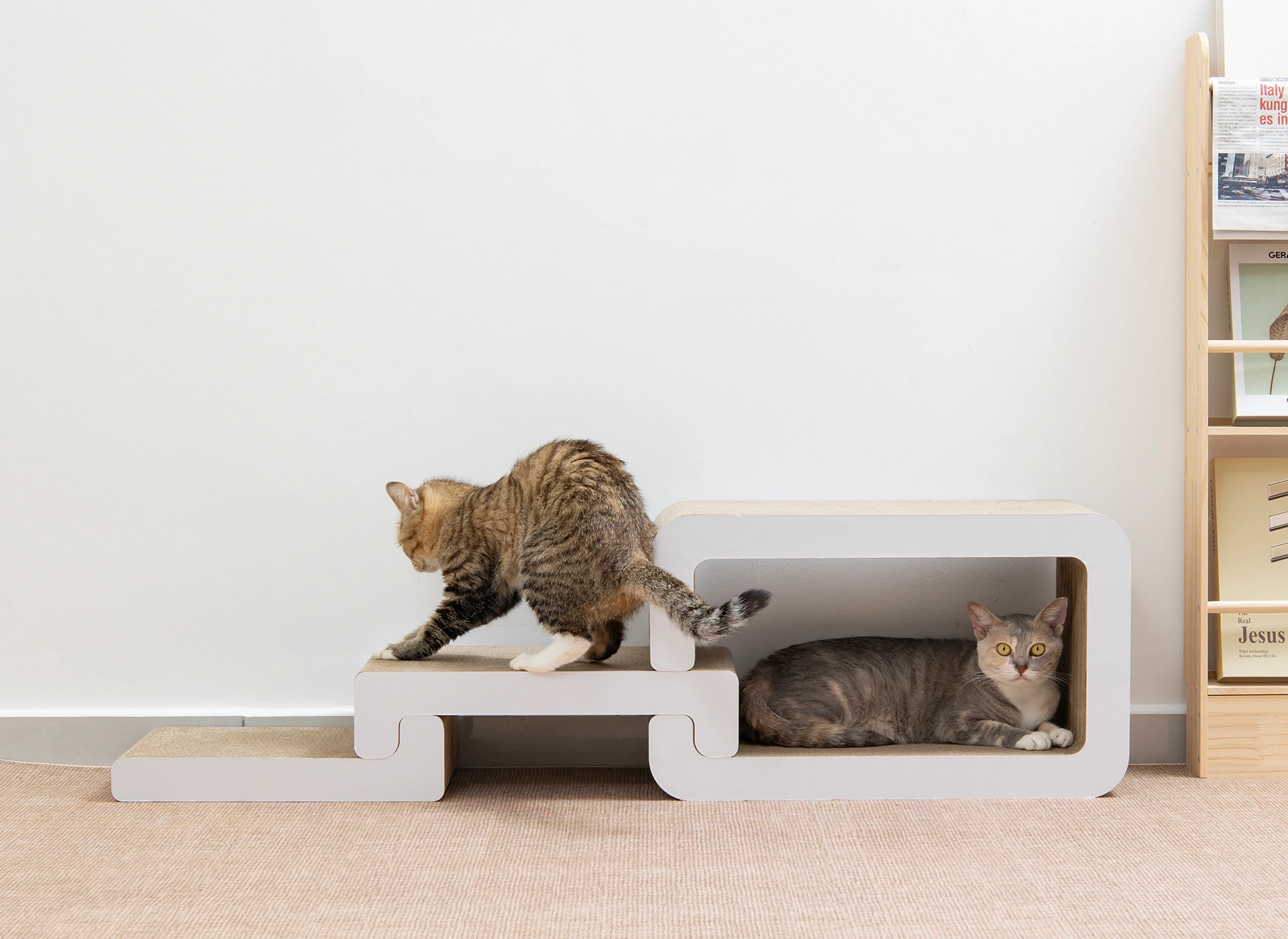
- L-shaped scratchers are a practical choice for cats that enjoy scratching vertically and climbing or leaning against a stable surface.
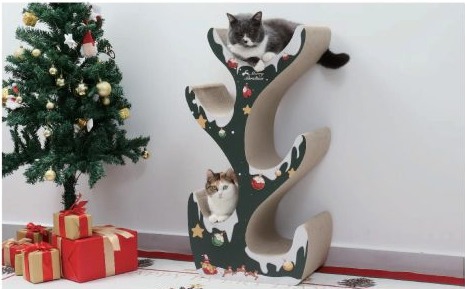
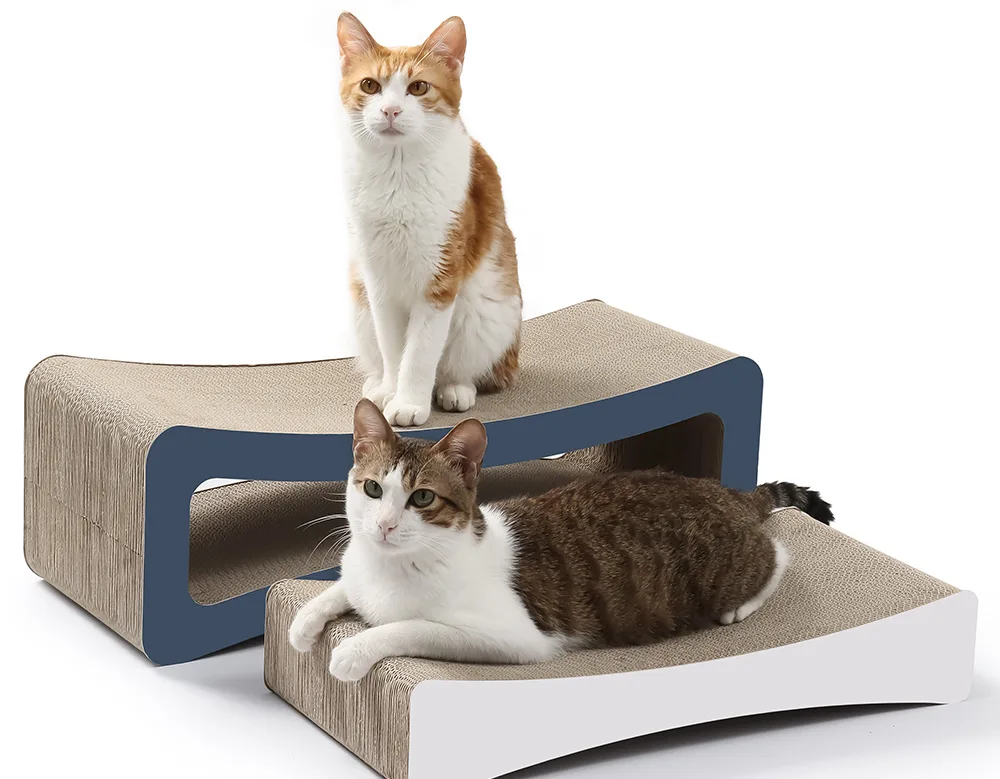
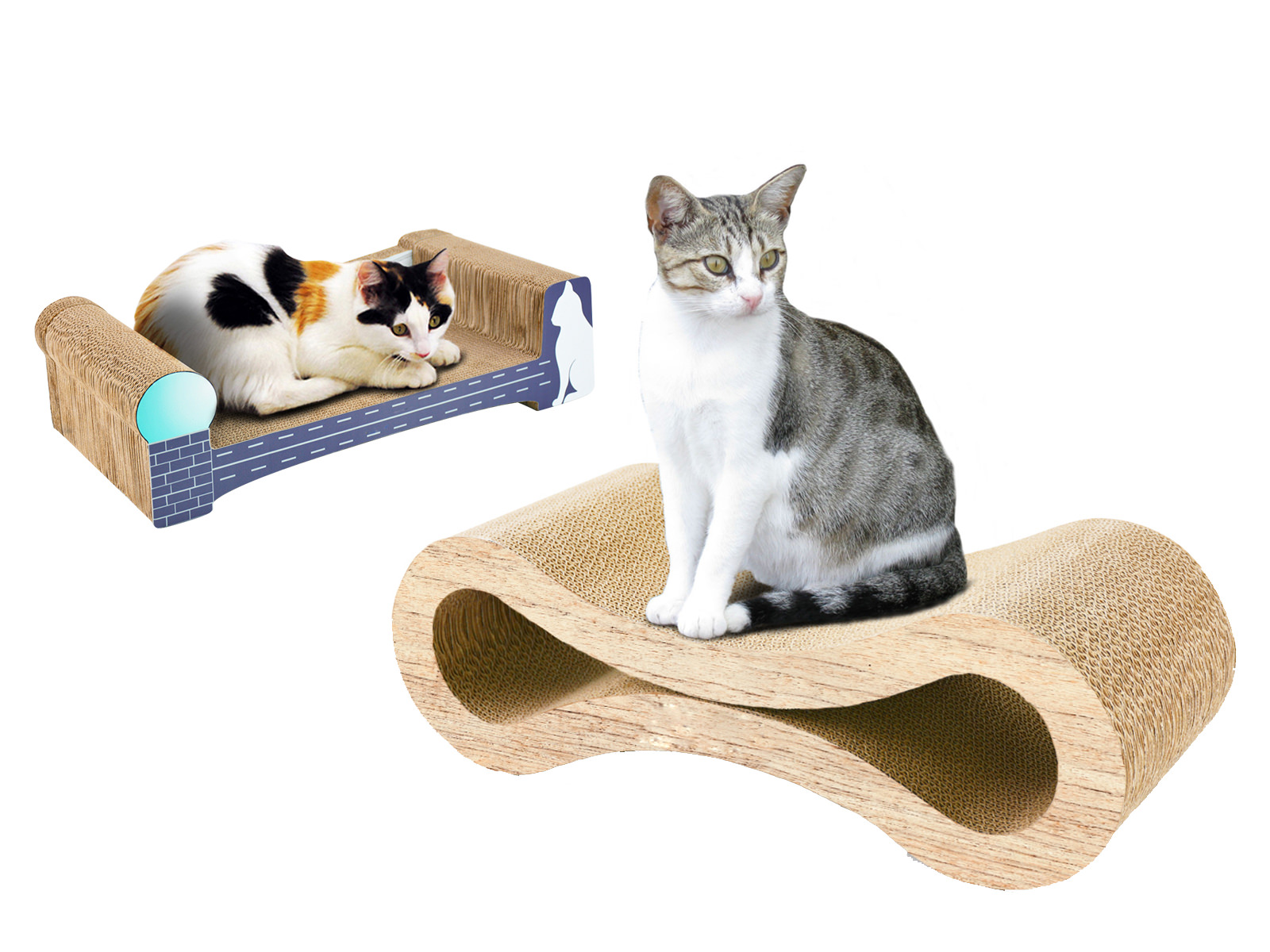
- Curved loungers and cardboard beds can suit cats that like to scratch, stretch, and rest in the same place.
A useful rule is to place the scratcher where the unwanted scratching already happens. If your cat scratches the corner of a sofa, a flat cardboard pad across the room is unlikely to solve the problem. Position a vertical or L-shaped scratcher close to that sofa corner first.
Choose the Right Size and Structure
A scratcher should be large enough for your cat to stretch naturally. Small pads may work for kittens, but adult cats usually need a longer and wider surface. Larger breeds may need an oversized scratcher or multiple units placed around the home.
Look for a model with these practical features:
- Dense corrugated cardboard that does not collapse quickly.
- A stable base that will not slide or tip during use.
- A reversible design, so the board can be flipped after one side becomes worn.
- Raised edges or a box-style frame to contain loose cardboard pieces.
- Replacement inserts if you select a reusable wood, plastic, or framed scratcher.
Durability matters because thin cardboard can wear out quickly, create excessive debris, and become less appealing to the cat. A heavier scratcher often costs more initially but may provide better long-term value.
Consider Cleanup and Replacement
All cardboard scratchers eventually shed small pieces. This is normal, especially when a cat uses the scratcher frequently. If keeping floors tidy is important, choose a box-style scratcher, a model with side walls, or one placed on a washable mat.
Replace the cardboard insert when it becomes deeply shredded, flattened, unstable, or no longer holds its shape. For a framed scratcher, confirm that replacement boards are available before purchasing the base. This reduces waste and helps maintain a consistent scratching spot that your cat already recognizes.
Help Your Cat Use It
Place a new scratcher near a sleeping area, favorite resting spot, or furniture your cat currently scratches. Cats often scratch after waking because stretching is part of the behavior.
You can encourage use by:
- Sprinkling a small amount of catnip on or near the surface.
- Rewarding your cat with a treat after they use it.
- Gently placing a toy near the scratcher to create positive interest.
- Avoiding punishment when the cat scratches furniture; instead, redirect them toward the scratcher.
For multi-cat households, provide more than one scratcher. Different cats may prefer different angles, textures, and locations.
A Practical First Purchase
For many households, a large reversible horizontal cardboard scratcher with dense corrugated material and a non-slip or framed base is a reliable starting choice. If your cat scratches sofa arms or walls, choose an inclined, vertical, or L-shaped design instead.