How to Choose the Cardboard Cat Scratcher for Kittens
A cardboard scratcher is an excellent first scratching option for kittens: it is soft, lightweight, inexpensive, and gives young cats a safe outlet for a natural behavior. Kittens begin scratching at around five weeks of age, so offering an appropriate surface early helps them develop good habits before they target furniture.
Choose a Stable Design
Pick a scratcher with a wide, non-slip base or a low, sturdy profile. Even a lightweight cardboard scratcher should not slide, tip, or collapse when your kitten pounces on it.

For kittens, flat or gently angled cardboard scratchers are often ideal because they offer less resistance than sisal posts and are easier for small paws to rake.
| Feature | What to look for |
|---|---|
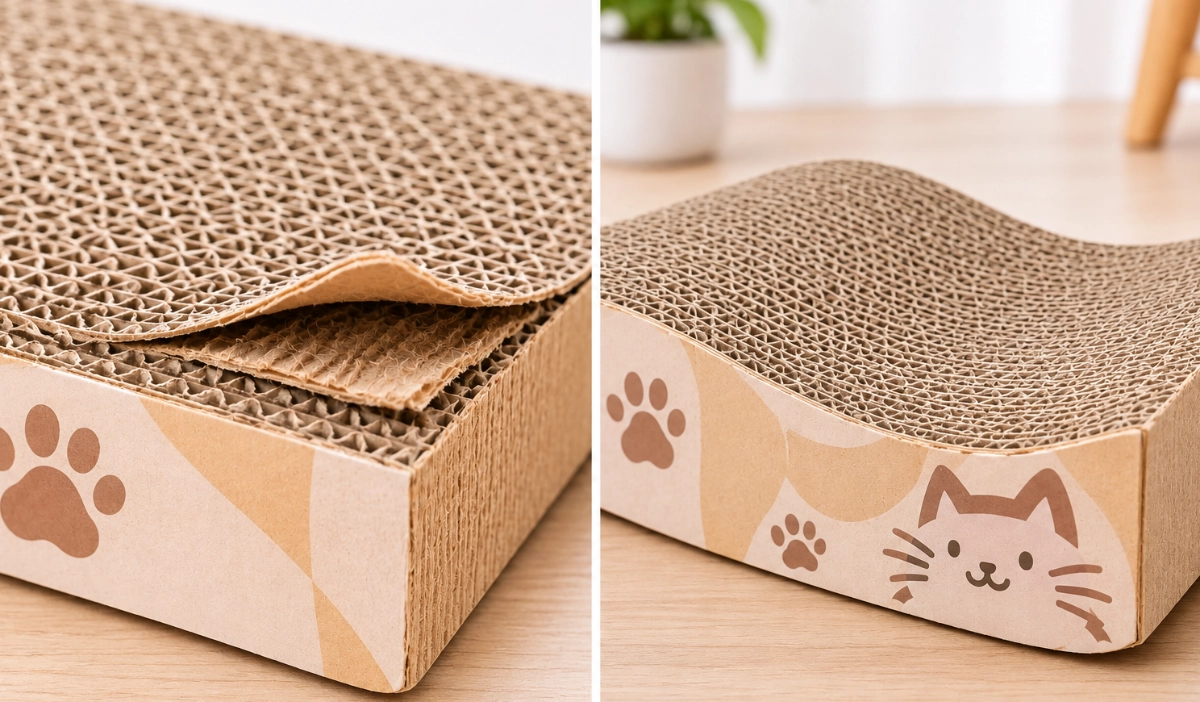
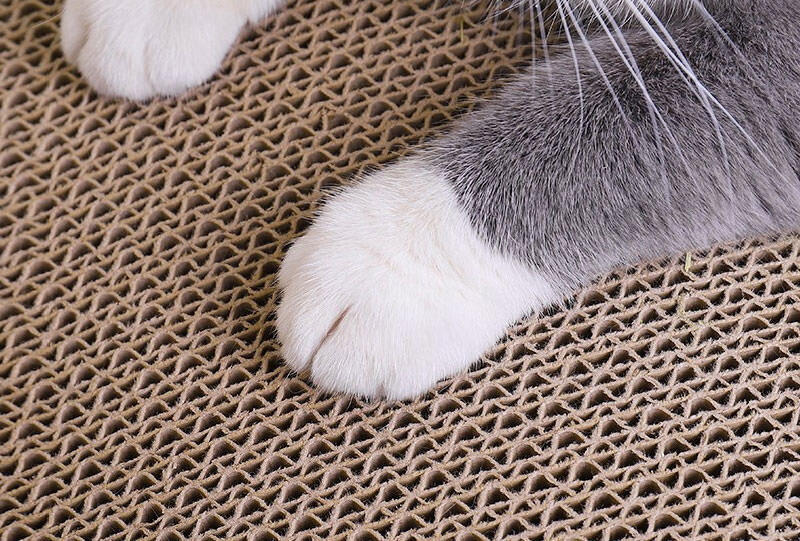
| Surface | Dense corrugated cardboard with a texture that lets claws grip |
| Orientation | Flat, angled, or low vertical design for a kitten |
| Stability | Wide base, rubber feet, or enough weight to prevent sliding |
| Size | Large enough for your kitten to stretch, play, and rest on |
| Safety | No loose staples, sharp edges, small detachable parts, or toxic adhesives |
| Extras | Optional catnip, toys, or a reversible scratching surface |
Match Your Kitten’s Style
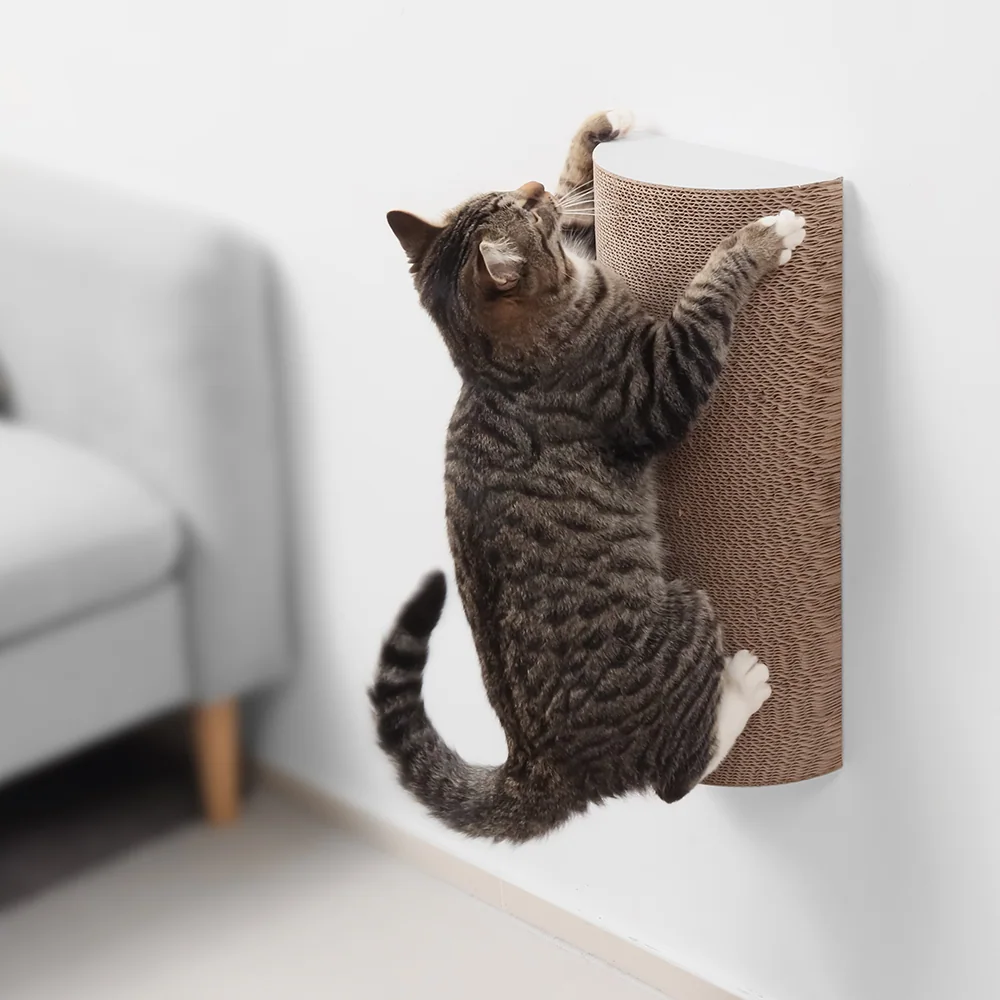
Observe how your kitten naturally scratches. A kitten that scratches the carpet may prefer a horizontal cardboard pad, while one that scratches sofa corners may prefer an angled or vertical board.
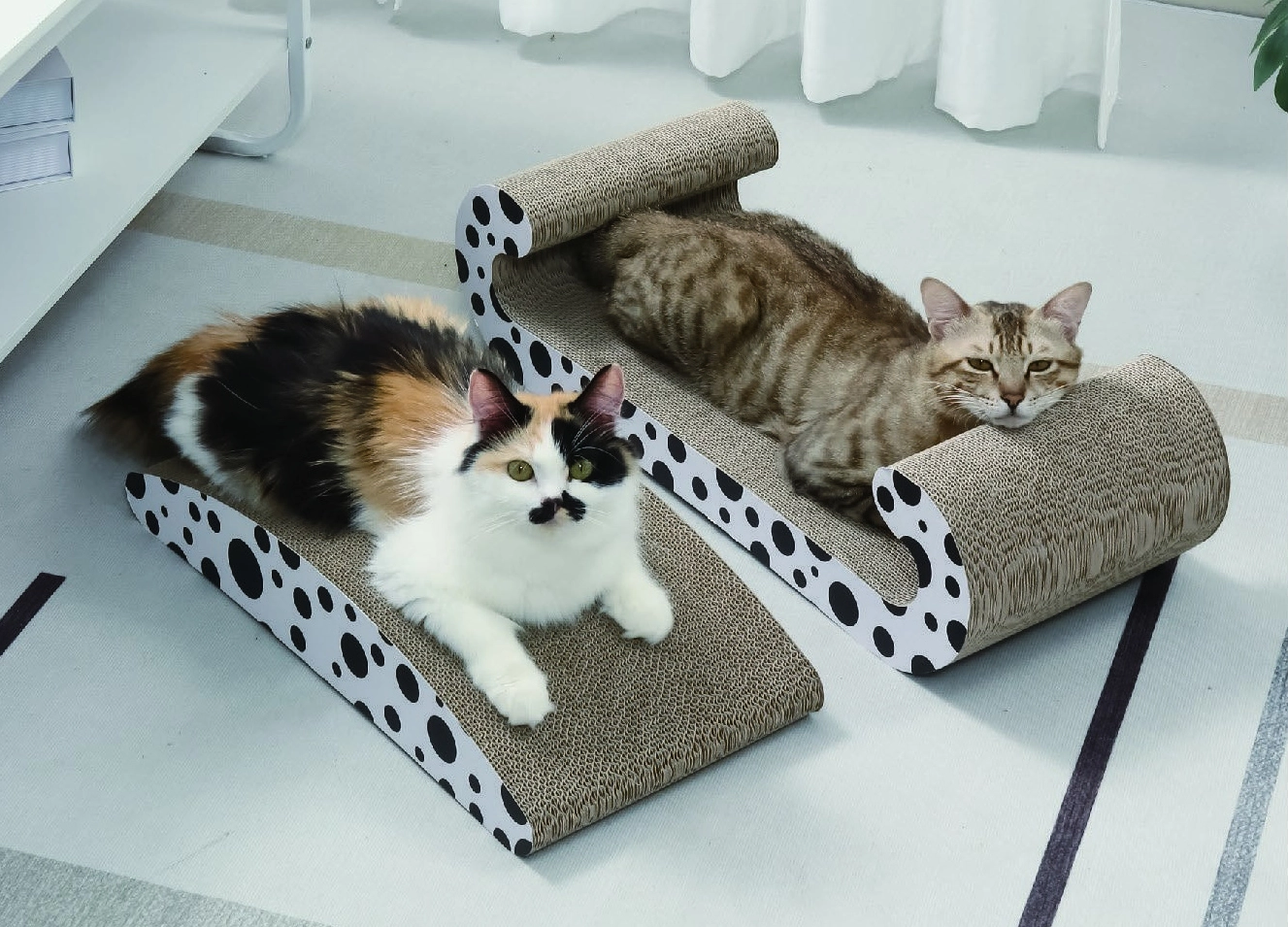
Offering more than one orientation is useful: a flat scratcher for floor scratching and a low, stable upright or angled scratcher for stretching. Fobpet recommends horizontal scratchers for carpet-style scratching, inclined designs for raised-angle scratching, and vertical or L-shaped models for cats that stretch against furniture or walls.

Check Materials and Safety
Choose dense, tightly bonded corrugated cardboard rather than flimsy material that shreds quickly. Fobpet states that its scratchers use high-density corrugated cardboard, including E-flute and B-flute structures designed to balance durability with scratching satisfaction.

The scratcher should have smooth edges, secure construction, and no small pieces that a curious kitten could chew or swallow. Avoid heavily scented products or unknown adhesives, and use only a small amount of catnip at first.
Pick the Right Size
A good cardboard scratcher should be big enough for your kitten to stand on, stretch across, and use without feeling cramped. Small pads can work for kittens, but a longer and wider surface becomes more useful as the kitten grows.
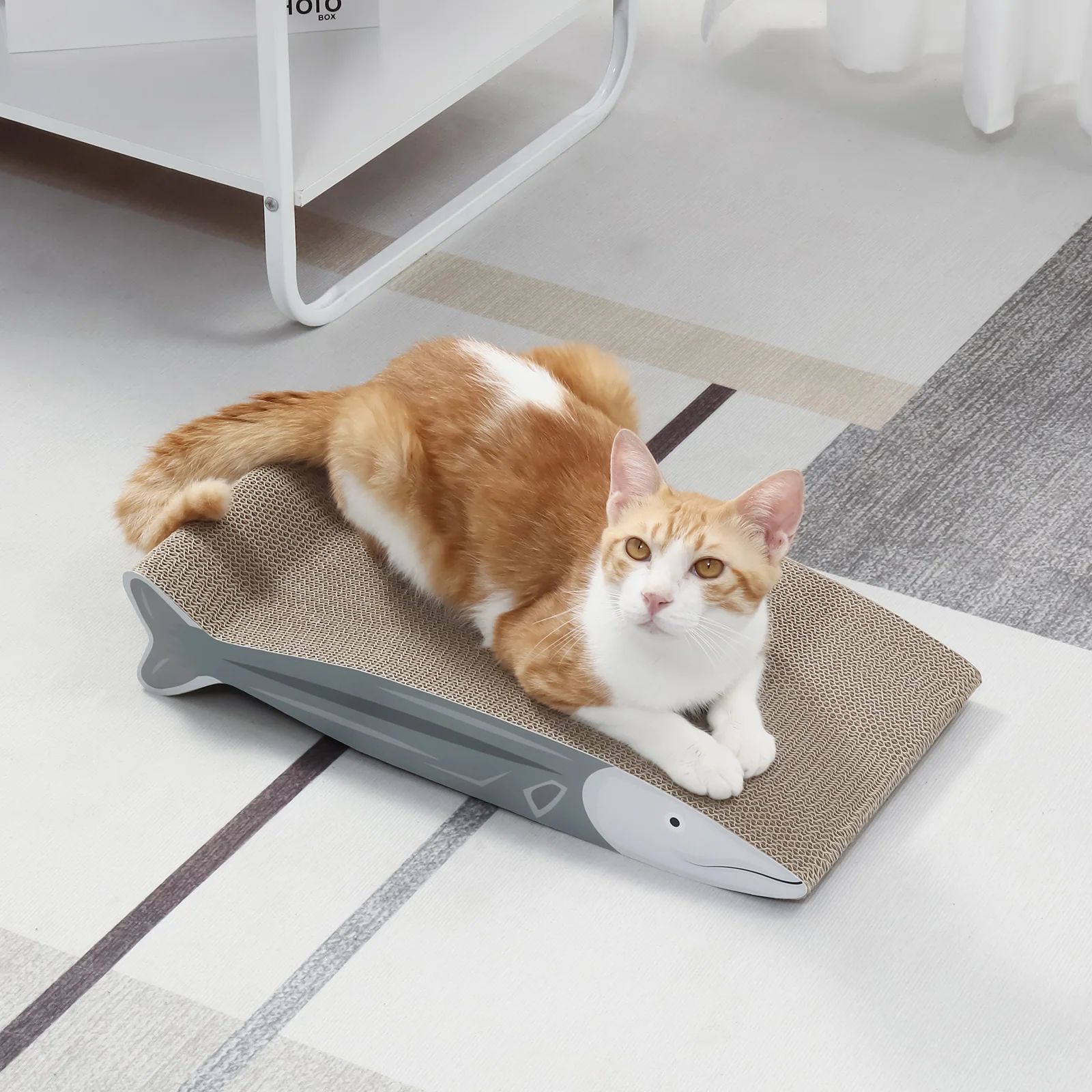
Cardboard scratchers are consumable items: replace them when the surface becomes deeply shredded, flattened, unstable, or no longer holds its shape.
Place It Where It Matters
Put the scratcher near the places your kitten already likes to scratch, sleep, or play. Cats often scratch after waking, so placing one near a favorite bed can make it more likely to be used.
If your kitten starts scratching a sofa or rug, place the cardboard scratcher directly beside that spot rather than hiding it in a corner. Fobpet also advises positioning the scratcher where unwanted scratching already happens, then gradually relocating it once your kitten uses it consistently.
Consider Fobpet Options
Fobpet is a cardboard cat-furniture manufacturer that offers several formats suitable for kittens and growing cats, including scratching pads and boards, lounges, beds, houses, sets, and interactive scratchers.
For a kitten, consider these Fobpet-style options:
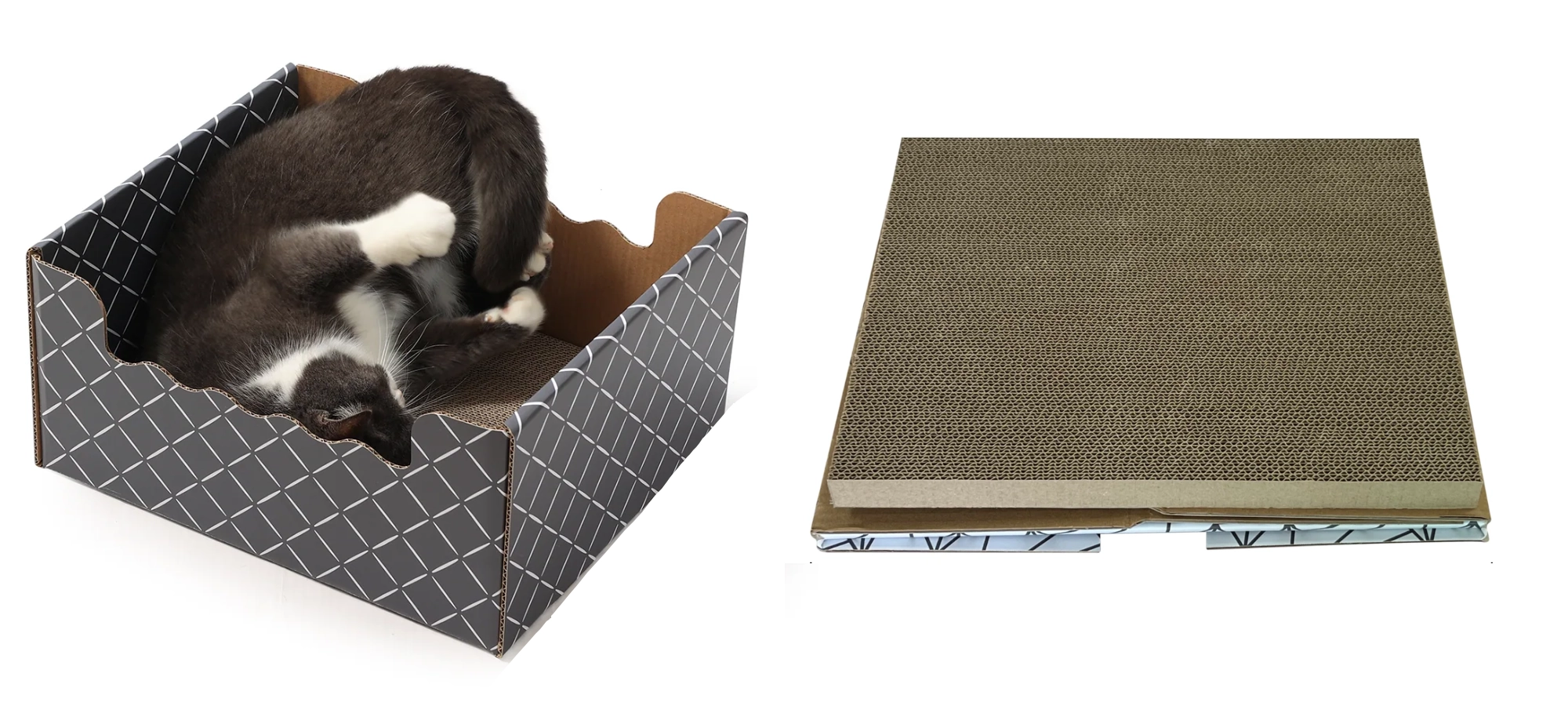
- Flat cardboard scratch board: A simple, low-resistance starting option for kittens that scratch floors or rugs.
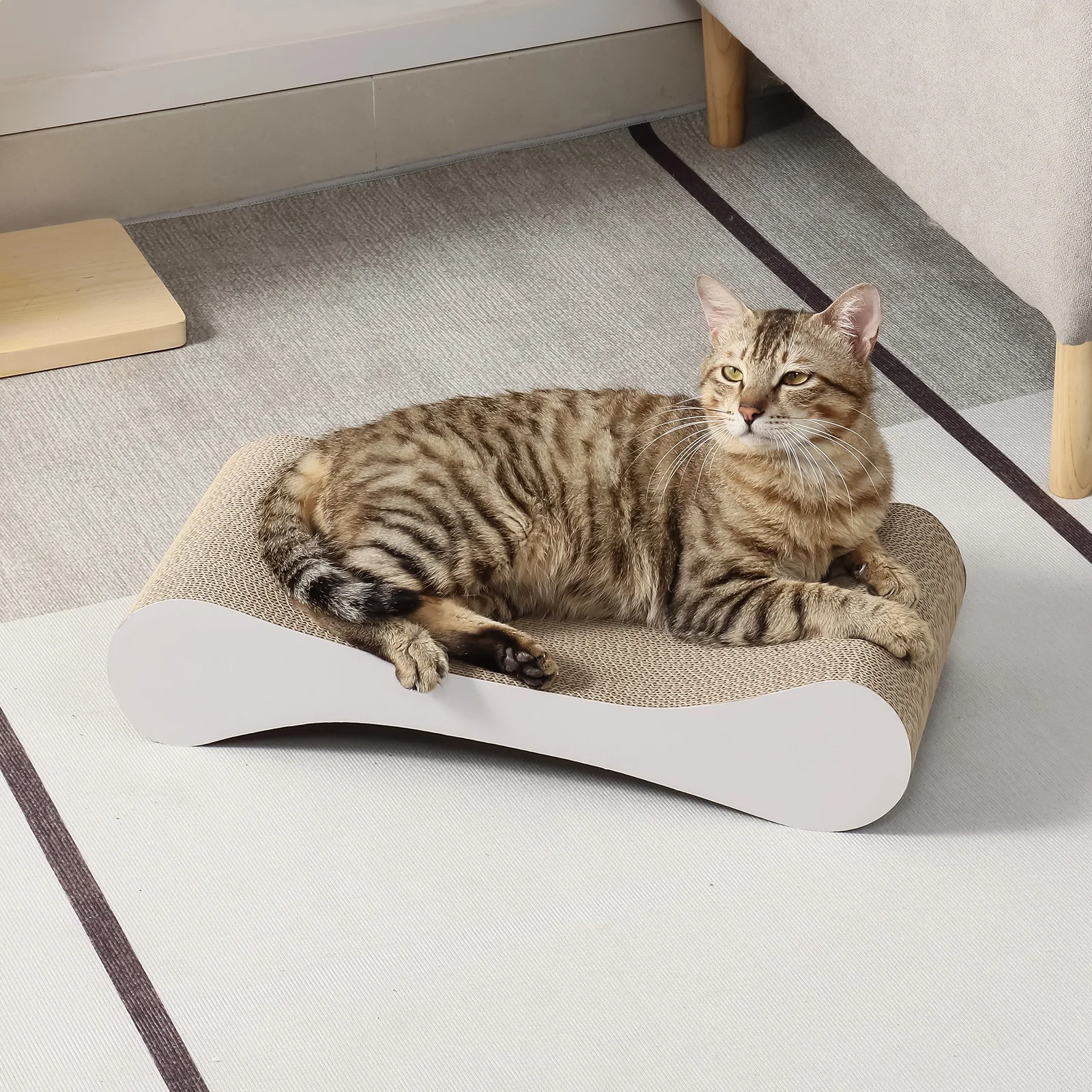
- Inclined scratcher: Useful for kittens that prefer a raised scratching angle without a tall post.
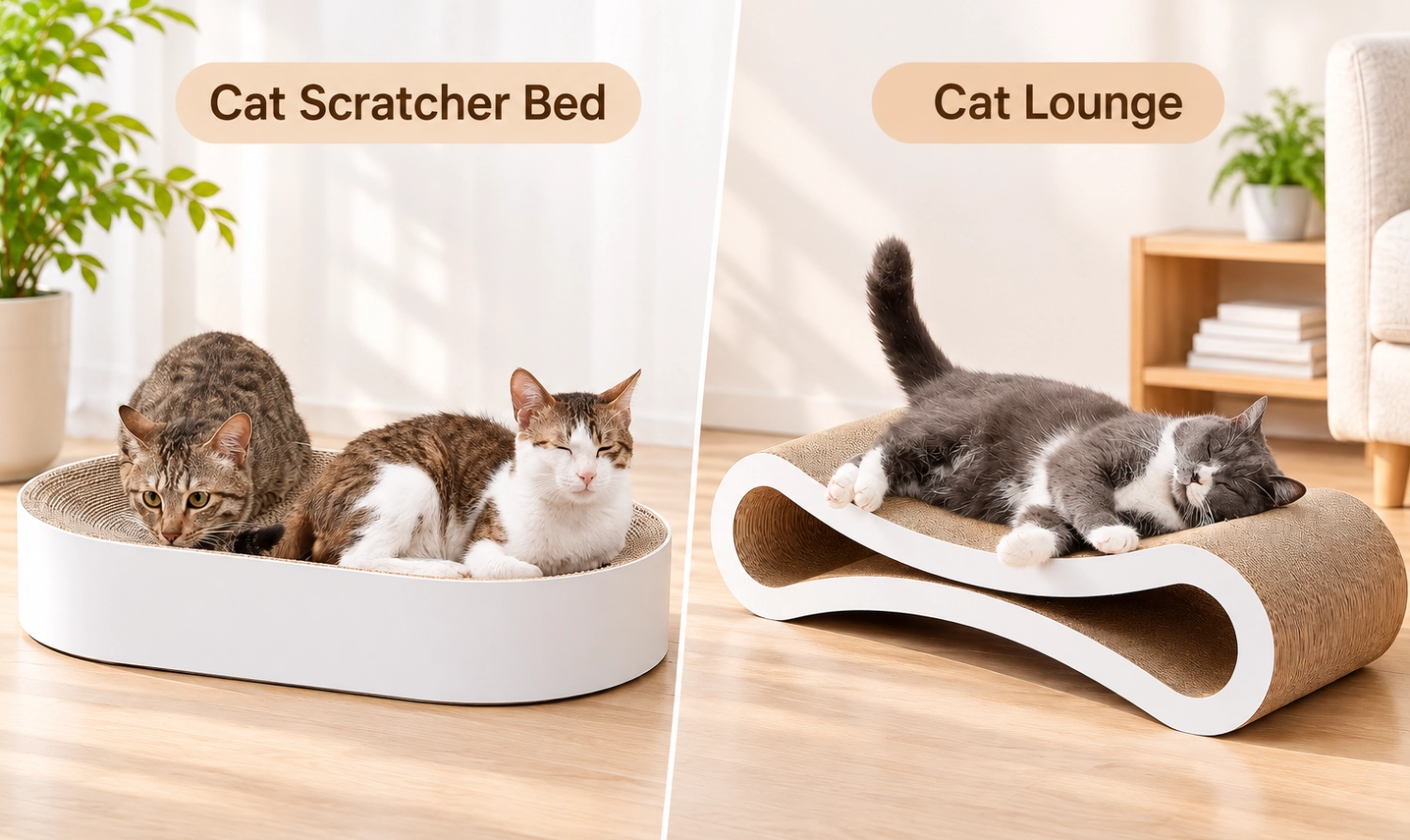
- Scratcher lounge or bed: Combines scratching with a comfortable place to rest, which may suit kittens that like to scratch after waking.
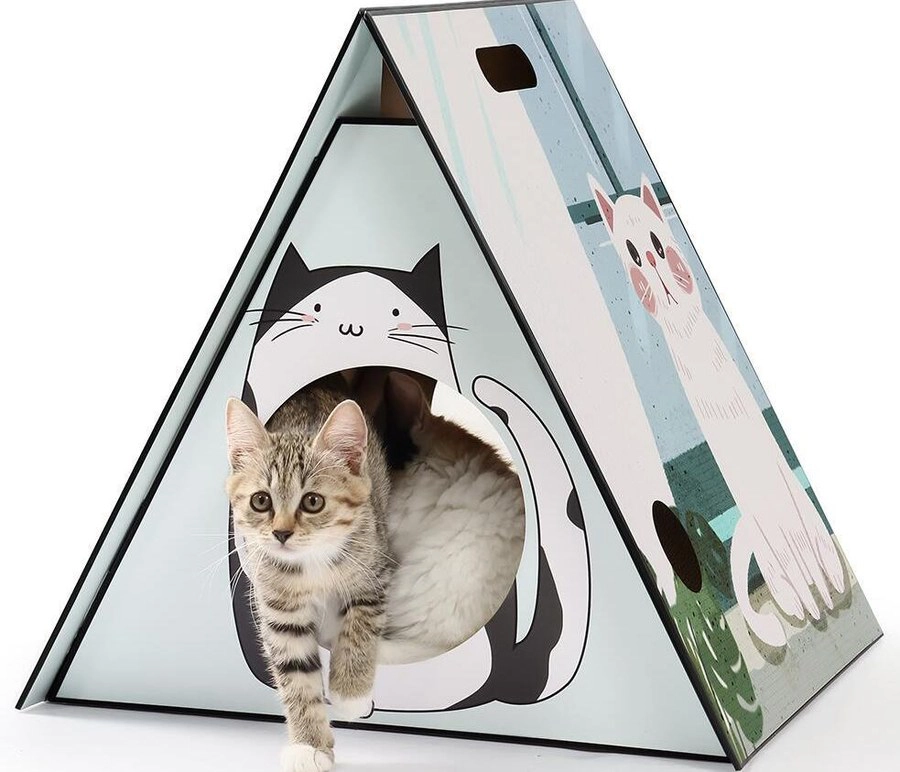
- Scratcher house: Adds hiding and play value, though choose one with a stable base and easy access for a small kitten.
- Interactive scratcher: A ball, tunnel, or play feature can encourage engagement, but ensure all components are securely attached.
Fobpet says it uses recyclable and sustainably sourced materials with FSC certification, and offers OEM/ODM customization for pet brands and retailers.
Encourage Use Gently
Make the scratcher appealing with catnip, a favorite toy, or short play sessions nearby. Reward your kitten with praise or a treat when it uses the scratcher.
Never hold your kitten’s paws and force them to scratch. This can frighten the kitten and make it avoid the scratcher altogether.
A Simple Buying Checklist
- Choose flat or low-angled cardboard for a young kitten.
- Ensure the base is stable and does not slide.
- Select dense corrugated cardboard that will not collapse quickly.
- Select a size that allows stretching and play.
- Inspect for sharp edges, loose parts, and strong chemical smells.
- Place it near a favorite resting or scratching area.
- Offer more than one scratching surface as your kitten grows.
- Consider a Fobpet flat board, lounge, or house based on your kitten’s scratching and play preferences.
- Replace the cardboard once it becomes worn.
A well-chosen cardboard scratcher gives your kitten a safe, satisfying place to scratch while protecting your furniture—and helps establish a lifelong positive scratching habit.