Beyond Thickness: How to Evaluate Cardboard Cat Scratcher Quality
Thickness is often the first specification buyers notice in a cardboard cat scratcher, but it is not a reliable measure of quality on its own. A thicker board can still warp, shed excessively, smell unpleasant, or fall apart at the edges if the flute structure, adhesive, density, and construction are poorly controlled.
For pet brands, retailers, and distributors, the real question is not “How thick is the cardboard?” but “Will this scratcher remain stable, safe, attractive, and usable after repeated scratching and shipping?”
- Why Thickness Alone Is Misleading
- Evaluate the Flute Structure
- Check Density and Layer Bonding
- Test Structural Stability
- Assess Scratching Experience
- Review Safety, Odor, and Materials
- Inspect Printing and Finish
- Consider Shipping and Retail Durability
- Use a Sample-Based Quality Scorecard
- Fobpet’s Approach to Scratch Quality
- Final Buying Recommendation
Why Thickness Alone Is Misleading
Cardboard thickness usually refers to the combined height of the linerboards and fluted middle layer. While a denser or thicker construction can improve initial rigidity, it does not guarantee long-term performance.
A high-quality scratcher needs the right balance of:
- Surface resistance: enough texture for cats to claw comfortably.
- Internal density: enough strength to resist rapid crumbling.
- Structural stability: no wobbling, bowing, or collapsing under a cat’s weight.
- Clean edges: minimal loose fibers and dust.
- Safe materials: low odor, non-toxic adhesives, and appropriate printing.
- Consistent production: the same quality from the first sample to repeat bulk orders.
Fobpet notes that corrugated cardboard is selected and processed for density, flute structure, glue application, edge treatment, and surface finish—not thickness alone.
Evaluate the Flute Structure
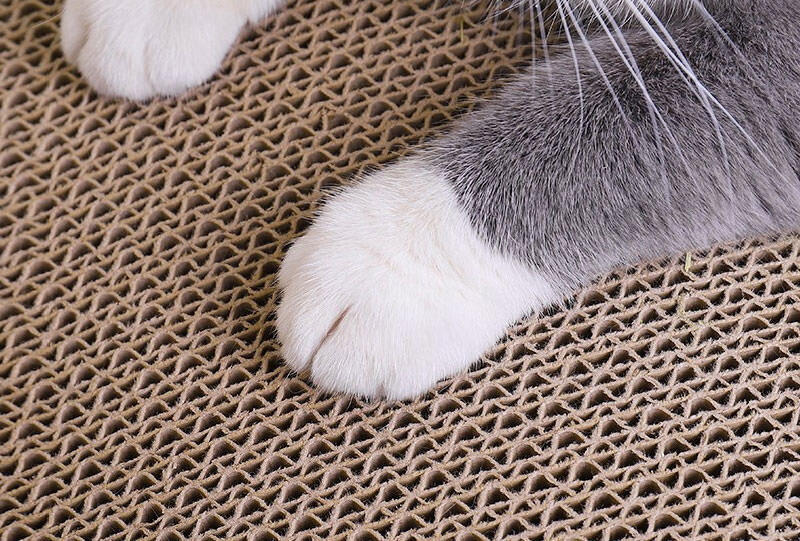
The flute is the wavy inner layer of corrugated cardboard. It creates air channels that provide cushioning, rigidity, and scratching texture.
Different flute profiles behave differently:
| Flute type | Typical characteristic | Best use |
|---|---|---|
| E-flute | Thinner, finer texture, good print surface | Compact pads, detailed printing |
| B-flute | Stronger and more rigid than E-flute | Boards, lounges, structural panels |
| F-flute | Very fine flute, smooth appearance | Premium-looking flat scratchers |
| BC/BB combinations | Multi-wall construction for higher strength | Larger houses, heavy-use structures |
Fobpet offers E, B, and F flute options depending on the product requirement, and also works with BB-flute and BC-flute corrugated materials. The correct choice depends on whether the product is a flat refill pad, a curved lounge, a scratching post, or a larger cat scratcher house.
Check Density and Layer Bonding
Two scratchers with the same thickness can perform very differently if their internal density and bonding quality differ.
When assessing a sample, press firmly across the scratching surface and along the edges. A well-made scratcher should feel firm but not brittle. It should not immediately shed large flakes, separate into layers, or produce a hollow, weak sound.
Important checks include:
- Layer separation: The liner and flute should stay bonded under pressure.
- Edge integrity: Cut edges should be clean, not fuzzy or crumbling.
- Surface consistency: The scratching channels should be even across the usable area.
- Weight-to-size balance: Extremely lightweight boards may wear quickly; overly heavy boards may increase freight cost without improving the cat experience.
Fobpet controls material selection around density and glue application to help ensure that repeat-production scratchers remain stable and clean.
Test Structural Stability
A scratcher may look substantial in product photos but fail in real use if it flexes, tilts, or collapses. This is especially important for lounges, beds, houses, and multi-panel designs.
For flat boards, check whether the surface stays flat after handling and whether the base prevents sliding. For curved lounges and houses, apply gentle pressure at the center, sides, and joints. The structure should resist deformation and return to its intended shape.
A practical stability checklist:
- Does the scratcher wobble on a flat surface?
- Does the center sag under pressure?
- Do joints, folds, or glued seams open easily?
- Does the product maintain its shape after compression?
- Is the base wide or weighted enough for active cats?
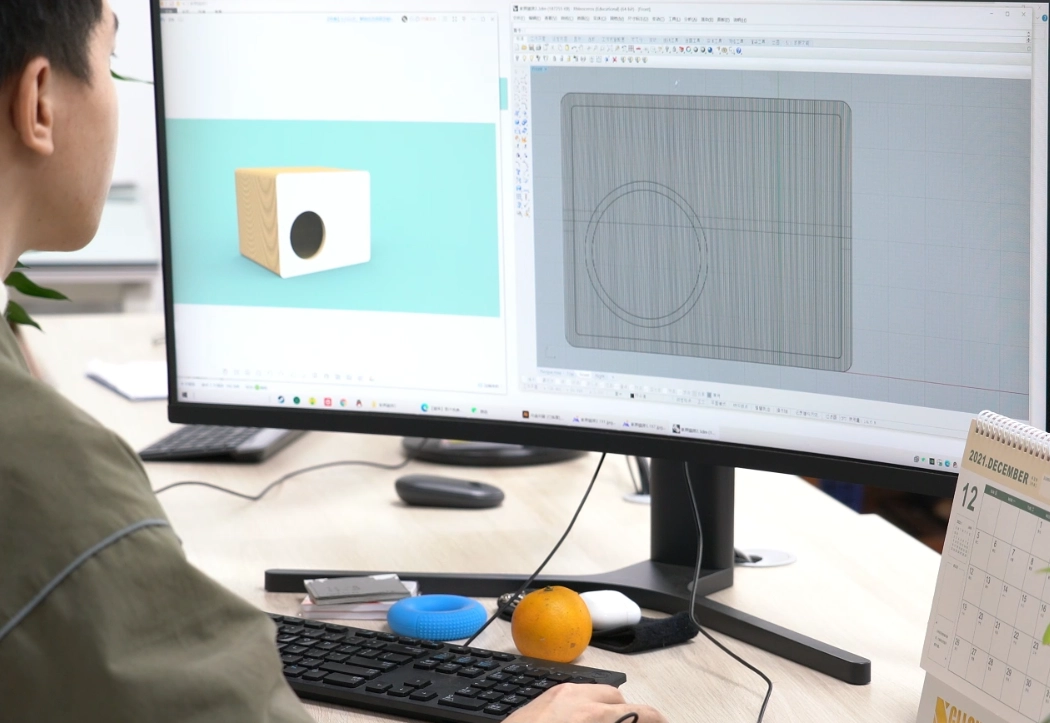
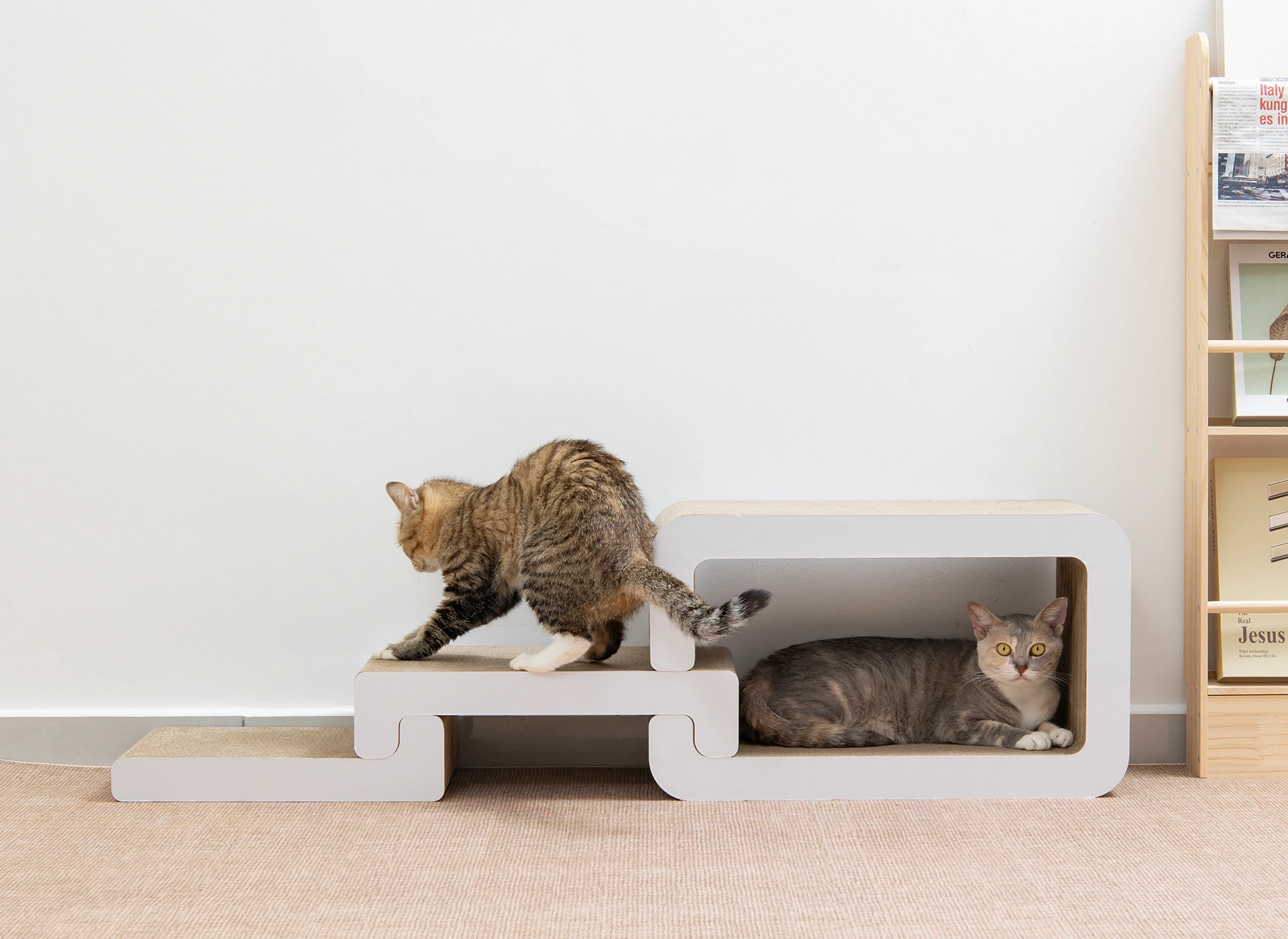
For shaped products such as lounges and houses, structural engineering matters as much as raw material quality. Fobpet develops the cardboard structure, shape, size, and packaging around the intended cat size, retail shelf space, and shipping method.
Assess Scratching Experience
Cats prefer a surface with the right amount of resistance. If the cardboard is too soft, it sheds quickly and creates mess. If it is too hard or poorly finished, cats may ignore it.
Evaluate the scratching surface by checking:
- Texture: The flutes should be visible and evenly exposed.
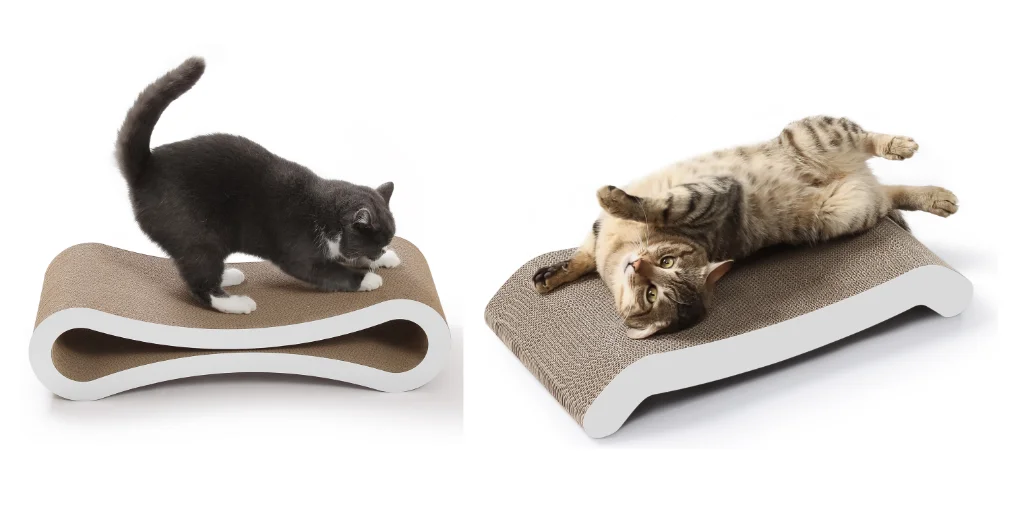
- Angle: Horizontal boards suit many cats, while curved lounges support stretching and resting.
- Size: Cats need enough room to scratch comfortably and change position.
- Surface area: Larger usable scratching areas generally offer longer product life.
- Edge finish: Rounded or cleanly finished edges reduce loose fibers and improve perceived quality.
Cardboard scratchers work well for cats that scratch rugs, mats, and lower furniture edges because the material provides resistance while still offering a satisfying give.
Review Safety, Odor, and Materials
Quality is also about what cannot be seen. A strong chemical smell, excessive dust, or unclear adhesive sourcing can create problems for retailers and end customers.
Look for:
- Low-odor or odor-conscious material selection.
- Non-toxic, pet-safe adhesives.
- Food-grade or low-migration inks for printed artwork.
- FSC-certified or responsibly sourced cardboard where sustainability matters.
- Recyclable materials and optional post-consumer recycled content.
Fobpet states that its cardboard scratcher houses use 100% recyclable materials, non-toxic pet-safe adhesives, food-grade inks, and FSC-certified cardboard options. These details are especially valuable for brands selling into markets where sustainability claims and product safety documentation influence purchasing decisions.
Inspect Printing and Finish
Printing quality affects shelf appeal, but poor printing can also signal weak production control. Check whether the artwork is aligned, colors are consistent, and the surface does not scuff easily.
For private-label and retail programs, review:
- Print registration and color consistency.
- Ink odor after unpacking.
- Surface coating or finish.
- Barcode, warning, and compliance label placement.
- Retail-ready packaging protection.
Fobpet supports artwork adaptation, printing, packaging, and carton requirements as part of its OEM/ODM workflow.
Consider Shipping and Retail Durability
A scratcher must survive both the cat and the supply chain. Compression during container shipping, warehouse stacking, and last-mile delivery can damage thin or poorly engineered products.
Ask suppliers to test:
- Carton drop performance.
- Stack strength.
- Moisture resistance.
- Product movement inside the retail box.
- Damage rates after transit simulation.
Fobpet handles production, inspection, packing, and export packing in-house, which helps maintain consistency from material selection through final delivery.
Use a Sample-Based Quality Scorecard
Before placing a bulk order, score several samples using the same criteria:
| Evaluation area | What to check | Strong result |
|---|---|---|
| Flute structure | Flute type, evenness, bonding | No delamination or loose fibers |
| Density | Firmness under pressure | Resists crumbling without feeling brittle |
| Stability | Wobble, sag, joint strength | Holds shape under normal use |
| Scratching surface | Texture, size, edge finish | Even flutes and clean edges |
| Safety | Odor, adhesive, ink | Low odor and pet-safe materials |
| Print quality | Alignment, color, durability | Clean, consistent retail presentation |
| Packaging | Compression, movement, presentation | Product arrives intact and shelf-ready |
| Repeat consistency | Second sample versus first | Minimal variation between batches |
This approach gives buyers a more accurate picture than comparing thickness specifications alone.
Fobpet’s Approach to Scratch Quality
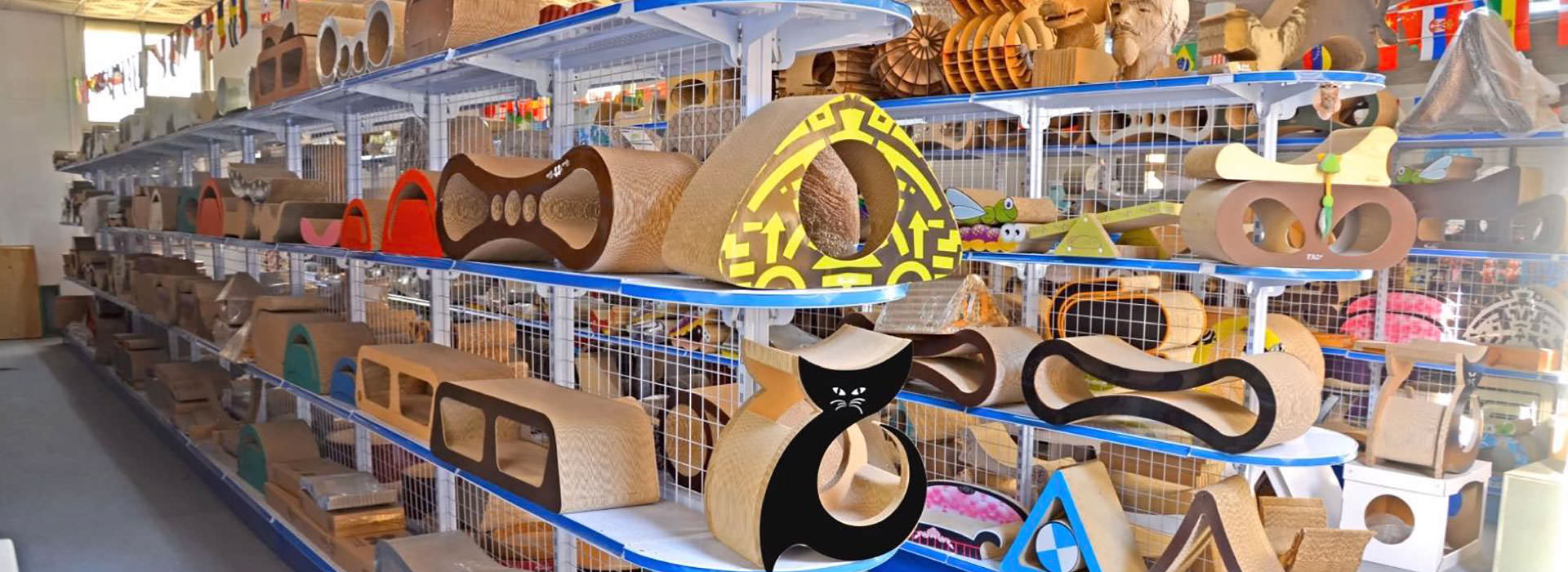
Fobpet is a custom cardboard cat scratcher manufacturer serving pet brands, retailers, and distributors. Its product range includes scratching pads and boards, posts, lounges, beds, houses, scratcher sets, and interactive scratching toys.
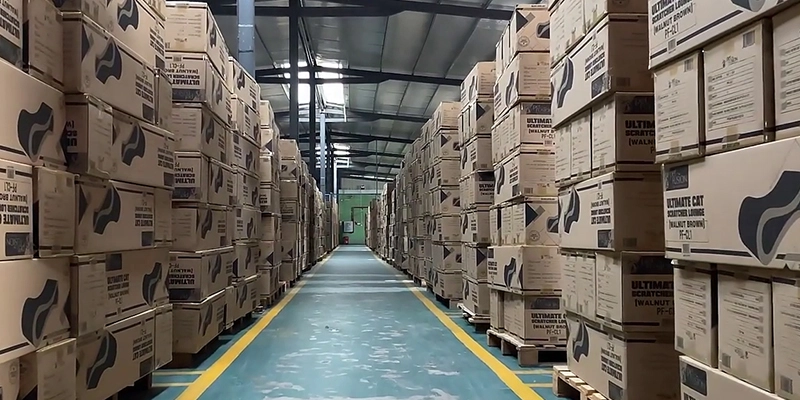
The company emphasizes a complete OEM/ODM process covering structure design, material planning, sampling, production, inspection, packing, and delivery. Its manufacturing profile includes more than 10 years of experience, a 10,000+ square meter facility, 100+ employees, 80+ production equipment units, and a monthly capacity of more than 300,000 pieces.
For buyers, this matters because quality is easier to control when material selection, structure design, sampling, and export packaging are managed within one focused workflow. Fobpet’s stated MOQ is 100 pieces, making it relevant for brands testing a new scratcher design as well as retailers planning repeat programs.
Final Buying Recommendation
Do not choose a cardboard cat scratcher based only on thickness. Instead, evaluate the complete product system: flute selection, density, bonding, edge treatment, structural design, scratching experience, safety materials, printing, and shipping protection.
A scratcher that is slightly thinner but made with the right flute structure, secure bonding, stable geometry, and clean finishing will usually outperform a thicker but poorly engineered alternative. For brands building a private-label range, request physical samples, compare them using a consistent scorecard, and confirm that the supplier can reproduce the approved quality at volume.