OEM vs. ODM Cat Scratchers: Which Is Right for Your Brand?
Choosing between OEM and ODM is an important step when developing a cat scratcher product line. Both models allow you to work with a manufacturing partner, but they differ in where the product design comes from, how much development your team handles, and how you build differentiation.
The core distinction is design. With OEM, your brand provides the design or detailed specifications for the manufacturer to produce. With ODM, you begin with a manufacturer-developed design and agree on the available customization options.
For pet brands, retailers, and importers, the right choice depends on your product strategy, budget, development resources, and launch priorities. Fobpet offers both OEM and ODM cat scratcher services, giving your business the flexibility to choose the approach that fits each project.
- What Are OEM Cat Scratchers?
- What Are ODM Cat Scratchers?
- OEM vs. ODM Cat Scratchers: Key Differences
- How to Compare Costs and Launch Requirements
- What to Check in a Cat Scratcher Sample
- Structure and Stability
- Scratching Surface and Dimensions
- Materials and Workmanship
- Packaging and Delivery Condition
- Clarify Design Rights and Exclusivity
- How Fobpet Supports OEM and ODM Cat Scratcher Projects
- Fobpet OEM Services: Develop Around Your Requirements
- Fobpet ODM Services: Start with an Existing Design
- What to Share with Fobpet
- Which Manufacturing Model Should Your Brand Choose?
What Are OEM Cat Scratchers?
OEM stands for Original Equipment Manufacturer. In this article, OEM refers to an arrangement in which your brand supplies a product design or detailed specifications, and a manufacturing partner produces the cat scratchers according to the agreed requirements.
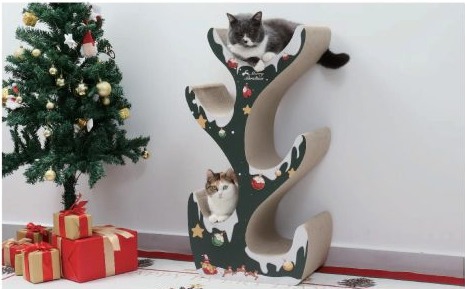
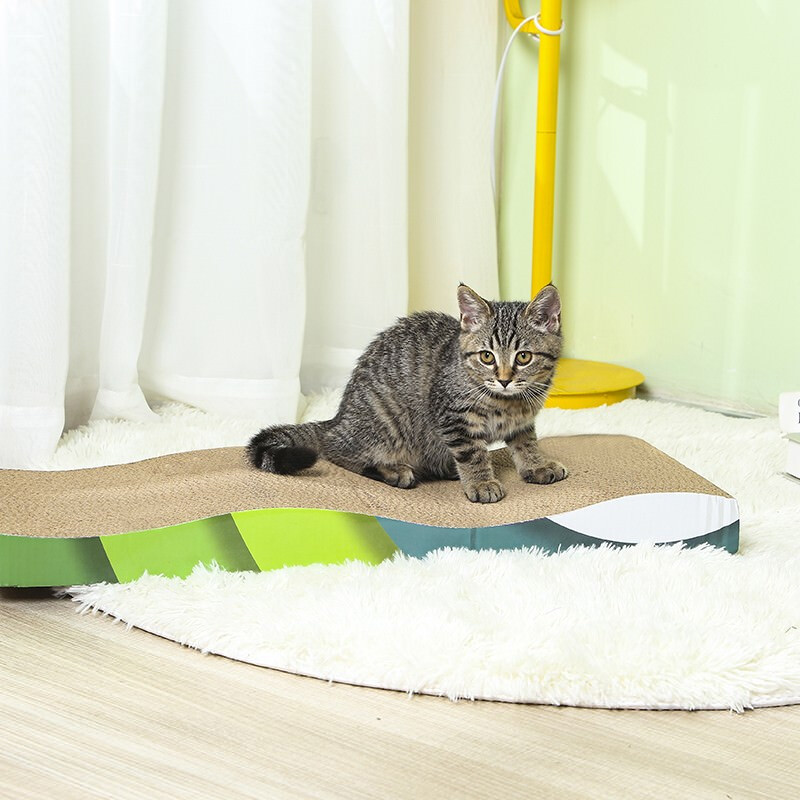
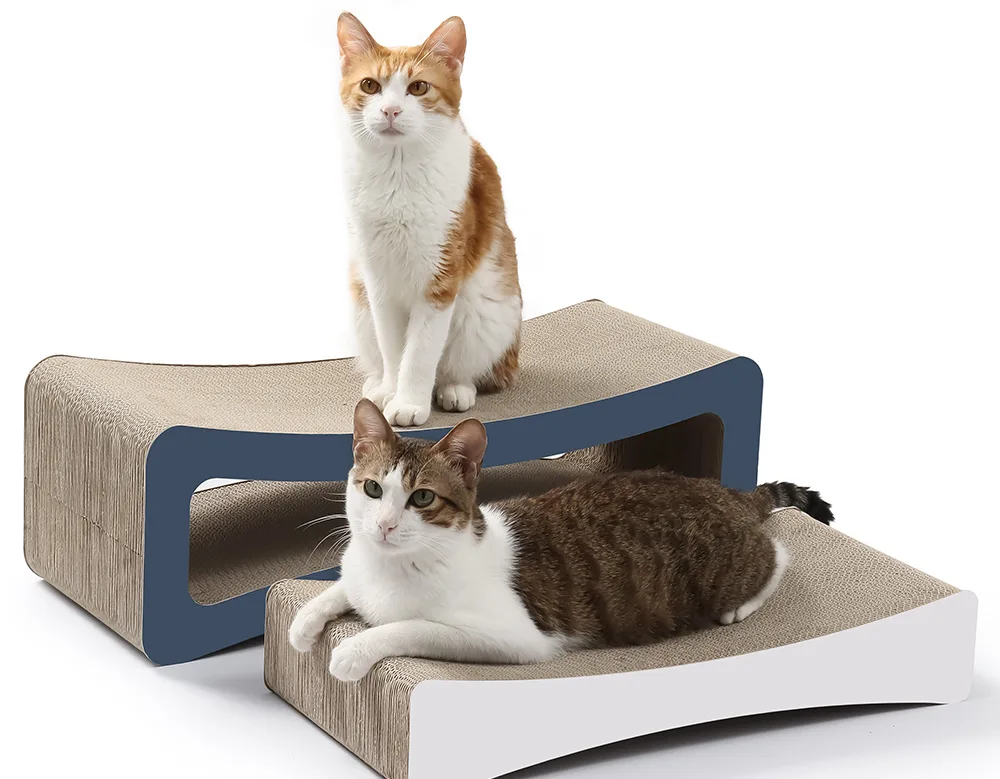
For example, your brand might want a cardboard scratching lounge with a distinctive profile, a specific size for larger cats, or a replaceable insert designed to fit your product collection. Instead of selecting a finished catalog item, you define the product you want to bring to market.
An OEM cat scratcher brief may include:
- Product dimensions, shape, and structural details.
- Scratching surface and material specifications.
- Assembly requirements and replaceable components.
- Printed graphics, colors, and brand placement.
- Retail packaging and shipping-carton requirements.
- Quality standards and sample approval criteria.
OEM does not necessarily mean your team must solve every manufacturing detail independently. The supplier may help review feasibility and refine the design for production. However, the scope of that support—and ownership of any resulting design work—should be agreed upon before development begins.
When OEM Is a Good Fit
OEM is suitable when your competitive advantage depends on a product feature that an existing design cannot provide.
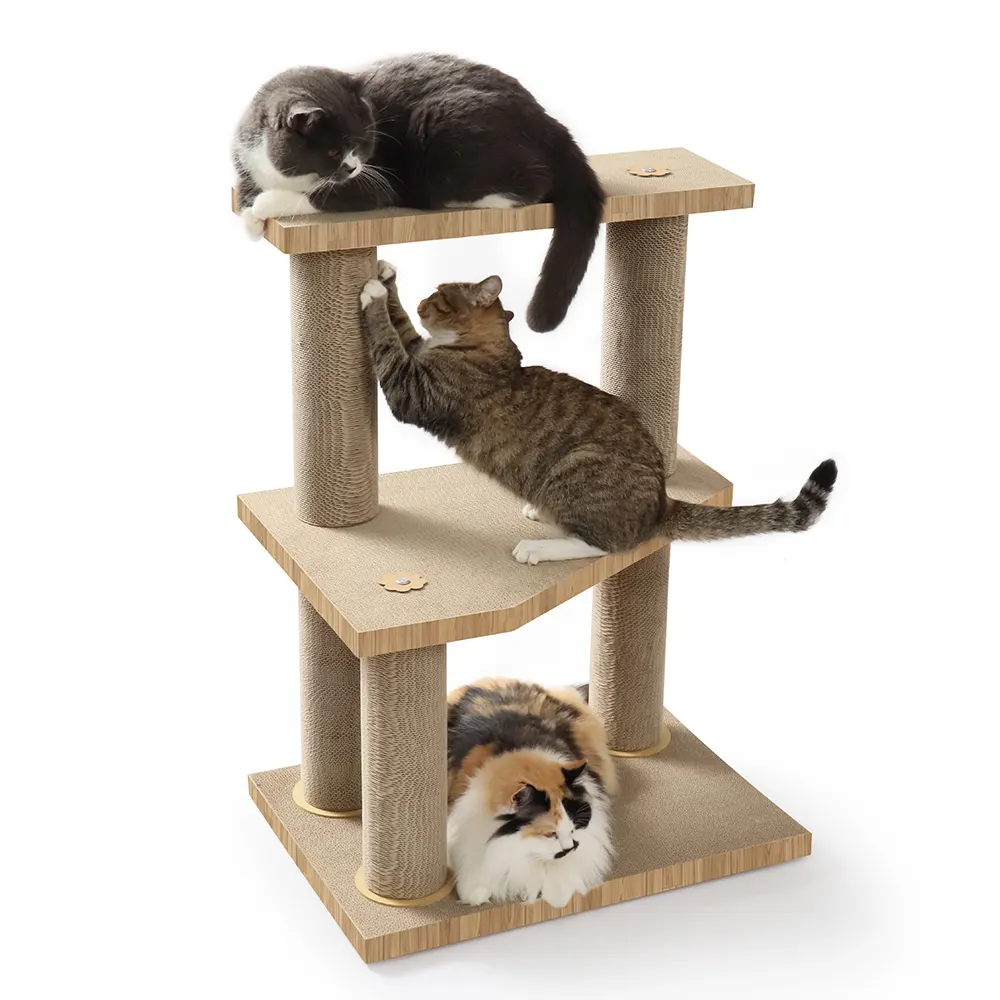
You might need a coordinated collection of scratcher furniture, a particular refill system, or a structure that reflects your brand’s visual identity. In these situations, developing around your own specifications gives you more control over the final product.
That control comes with additional responsibilities. Your team should be prepared to review drawings, evaluate samples, provide clear feedback, and approve the final specifications before production.
What Are ODM Cat Scratchers?
ODM stands for Original Design Manufacturer. Under this model, the manufacturer provides the underlying product design, and your brand selects a suitable option and discusses available modifications.
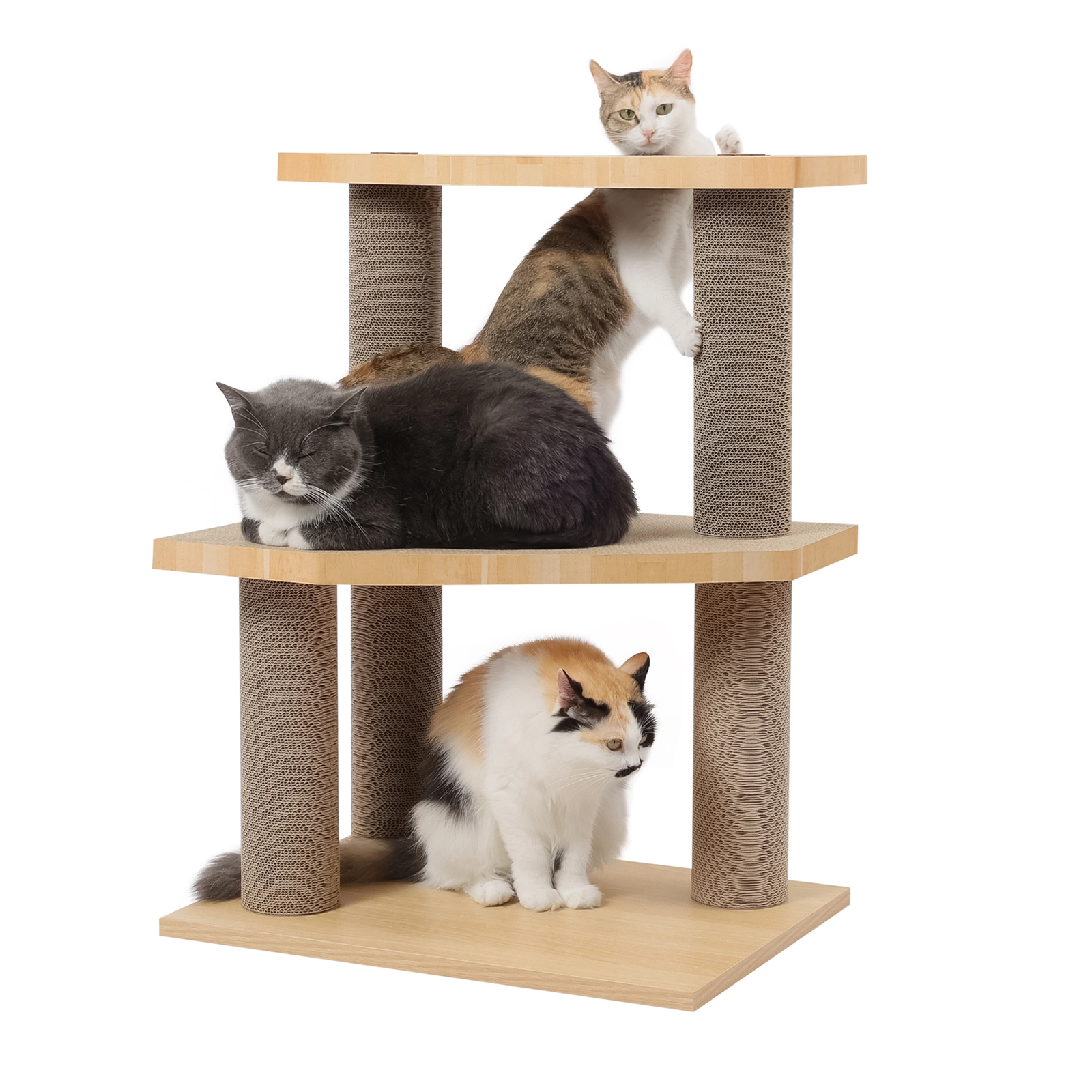
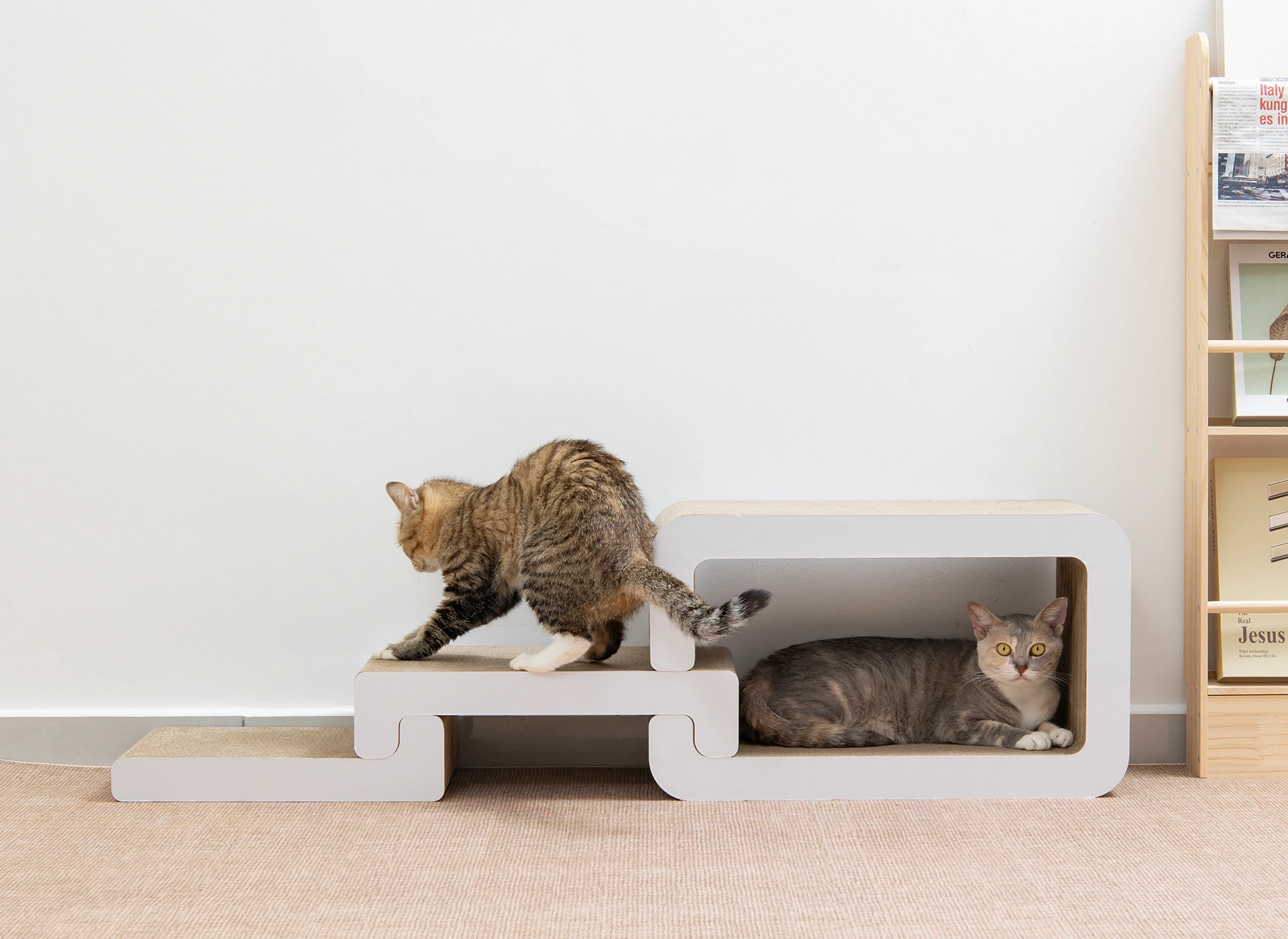
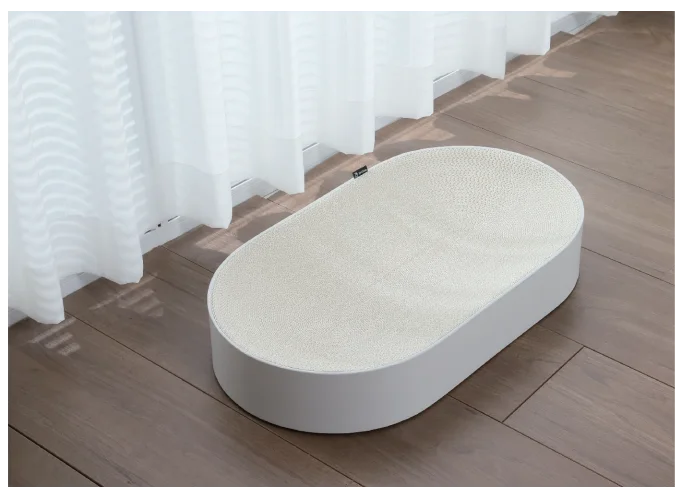
For cat scratchers, an ODM project could begin with an existing scratching pad, cardboard lounge, or shaped scratcher. Depending on the model and supplier’s capabilities, customization may include branding, packaging, printed graphics, or selected product details.
The key difference is that your team does not need to develop the entire product structure from the beginning.
However, an existing design should not automatically be treated as exclusive to your brand. Confirm whether the supplier offers the same model to other customers and whether any exclusivity arrangement is available.
When ODM Is a Good Fit
ODM is worth considering when an existing product already meets your main requirements.
It can suit brands that want to introduce their first cat scratcher, expand an established pet product range, or test a new market before investing in a custom design.
Your team can focus on product selection, brand presentation, packaging, and sales-channel requirements. Sampling and quality review remain important: an existing design still needs to meet your standards and suit your intended customers.
OEM vs. ODM Cat Scratchers: Key Differences
| Factor | OEM Cat Scratchers | ODM Cat Scratchers |
|---|---|---|
| Design starting point | Your design or detailed specifications | A manufacturer-developed design |
| Customization scope | Greater flexibility to define structure and features | Depends on the existing design and available modifications |
| Development involvement | More input from your team | Less initial product-design work |
| Sampling process | May involve multiple development revisions | Usually begins with an existing model |
| Differentiation | Can be built into the product itself | Often focuses more on branding, packaging, and product selection |
| Design rights | Ownership of your design and supplier contributions must be clarified | Rights to the underlying design must be confirmed |
| Best fit | Brands with a defined product concept | Brands seeking a suitable existing-design starting point |
These are general sourcing distinctions, not fixed rules. Suppliers may use OEM and ODM terminology differently, so always confirm the actual deliverables, responsibilities, and commercial terms.

How to Compare Costs and Launch Requirements
A useful comparison goes beyond the quoted unit price. Consider the full cost of developing, ordering, packaging, and delivering a product that is ready for sale.
Development and Setup Costs
For an OEM project, ask whether the quotation includes design assistance, prototypes, cutting dies, tooling, and sample revisions.
For an ODM project, confirm whether your requested modifications introduce additional setup or sampling charges. Starting with an existing model does not mean every customization is included in the base price.
Ask for a breakdown of:
- Design and development fees.
- Sample and revision charges.
- Tooling or cutting-die costs.
- Unit prices at different quantities.
- Printed packaging and accessory costs.
- Inspection and shipping-related charges.
Minimum Order Quantities
Do not assume that OEM always requires a high minimum order quantity or that ODM always allows a small order.
Ask for separate minimums for the product, printed components, and customized packaging. A project may have different quantity requirements for each element.
Compare those requirements with your expected demand, storage capacity, and inventory budget.
Development and Production Schedules
Separate the project schedule into clear stages:
- Product selection or specification review.
- Initial sampling.
- Revisions and approval.
- Packaging approval.
- Mass production.
- Inspection and shipment.
For OEM, allow room for design development and revisions. For ODM, confirm whether the selected model is ready for sampling and how your requested changes affect the schedule.
A realistic timeline should be based on the specific project—not the manufacturing label alone.
What to Check in a Cat Scratcher Sample
Whether you choose OEM or ODM, evaluate the physical product before approving production. Appearance matters, but it should not be your only acceptance criterion.
Structure and Stability
Check whether the scratcher remains stable during its intended use. Review the base, joints, supporting panels, and any assembled components.
For products that require customer assembly, assess whether the instructions are clear and whether the parts fit consistently.
Scratching Surface and Dimensions
Review the usable scratching area, overall dimensions, and orientation against your product brief.
If the product includes a replaceable insert, check that it fits properly and can be removed and replaced as intended.
Materials and Workmanship
Inspect material consistency, exposed edges, adhesive application, print quality, and overall finishing.
For cardboard scratchers, include loose debris and separation between layers in your sample-review checklist. Record the acceptance criteria so that later inspections have a clear reference.
Packaging and Delivery Condition
Evaluate both the retail presentation and the protection provided during shipping.
Confirm packaging dimensions, labeling, included components, and master-carton arrangements. If you plan to use particular retail or fulfillment channels, communicate their packaging requirements before approval.
Keep an approved sample and written specifications as references for production quality.
Clarify Design Rights and Exclusivity
A custom appearance does not automatically give your brand exclusive rights to the entire product.
An OEM project may combine your original design with supplier-developed production details. An ODM project may combine a manufacturer’s structure with your artwork, packaging, or requested modifications.
Before placing an order, clarify:
- Who owns the product drawings and artwork.
- Who owns and controls tooling or cutting dies.
- Whether the same product can be sold to other customers.
- Whether exclusivity applies to a territory, channel, or defined period.
- Who owns changes developed during the project.
- Whether production files or tooling can be transferred.
- Whether material or construction changes require your approval.
Document these points rather than relying on the words “OEM,” “ODM,” or “custom” in a quotation.
How Fobpet Supports OEM and ODM Cat Scratcher Projects
Fobpet offers both OEM and ODM cat scratcher services, supporting brands with different product-development needs.
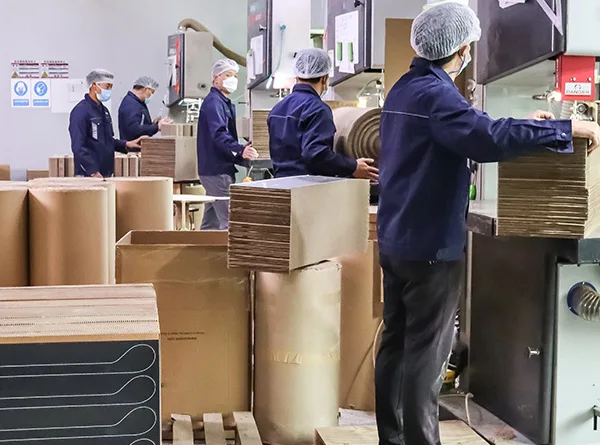
Whether you have a clear design brief or prefer to begin with an existing product, the first step is to define your requirements and confirm the available scope of service.
Fobpet OEM Services: Develop Around Your Requirements
Fobpet’s OEM services are an option for brands that want cat scratchers produced around their own designs or detailed specifications.
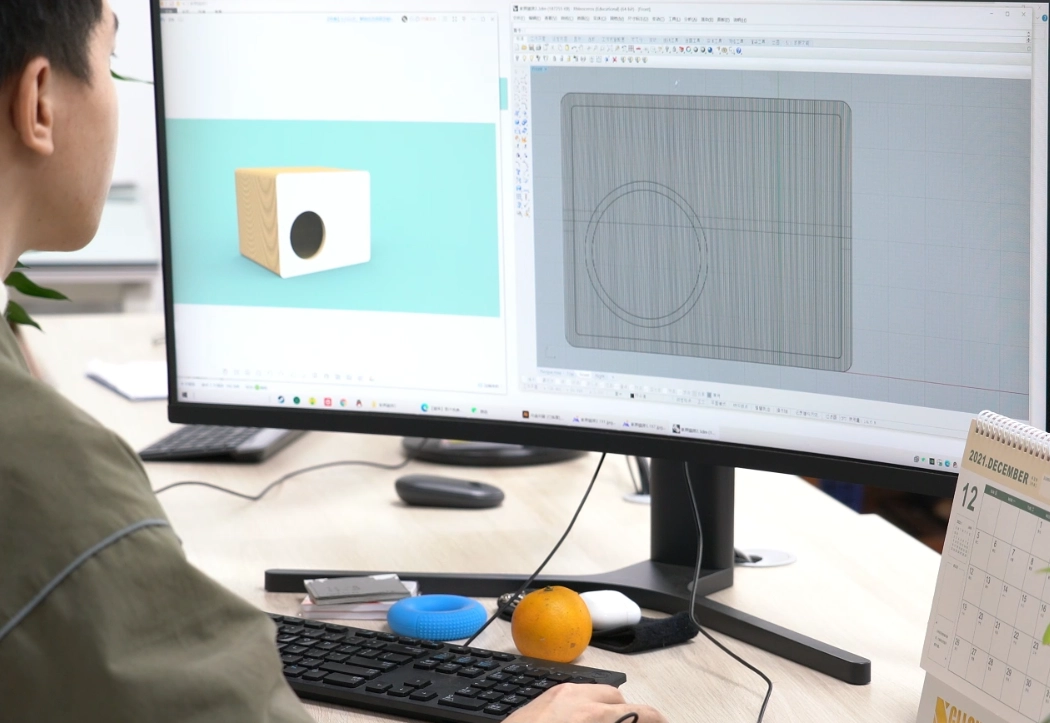
Prepare your drawings, reference samples, target dimensions, material requirements, and packaging expectations for review. A clear brief provides a stronger starting point for discussing feasibility, sampling, pricing, and production.
This approach suits projects where an existing product cannot fully support your intended structure, appearance, or product concept.
Before proceeding, agree on the development responsibilities, sample approval process, quality requirements, and design ownership arrangements.
Fobpet ODM Services: Start with an Existing Design
Fobpet also offers ODM services for brands that prefer a manufacturer-developed starting point.
Discuss the available cat scratcher models and identify options that match your target market and product positioning. Then confirm which branding, packaging, and product modifications are available for your selected model.
This approach allows your team to concentrate on selecting a suitable product and developing its market presentation without commissioning the entire design from scratch.
To make the initial discussion more productive, prepare the following information:
- Your target market and sales channels.
- Preferred cat scratcher style and approximate dimensions.
- Whether you have an original design or need existing-design options.
- Estimated first-order quantity.
- Branding and packaging requirements.
- Target launch schedule.
- Any specific quality or documentation requirements.
These details create a clearer basis for reviewing the project and preparing a relevant quotation.
Which Manufacturing Model Should Your Brand Choose?
Choose OEM when your product strategy requires a distinctive structure, feature, or design that existing models cannot provide. It is the better starting point when you have a clear concept and the resources to participate in development.
Choose ODM when a manufacturer-developed product meets your needs and your immediate priorities are product selection, branding, and launch preparation.
You can also use both approaches within the same collection. An ODM model may suit a supporting product, while an OEM project may be more appropriate for a flagship scratcher.
Fobpet’s OEM and ODM services allow your brand to discuss either route. Contact Fobpet with your product brief or sourcing requirements to review the options and define the next steps for your cat scratcher project.