How to Plan a Seasonal Cat Scratcher Collection
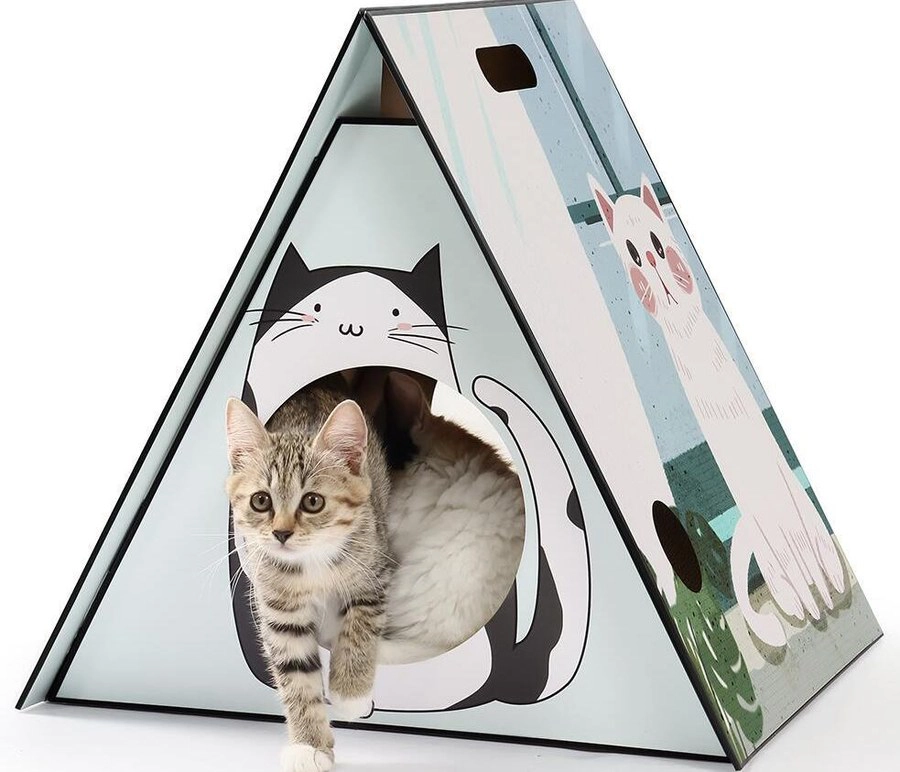
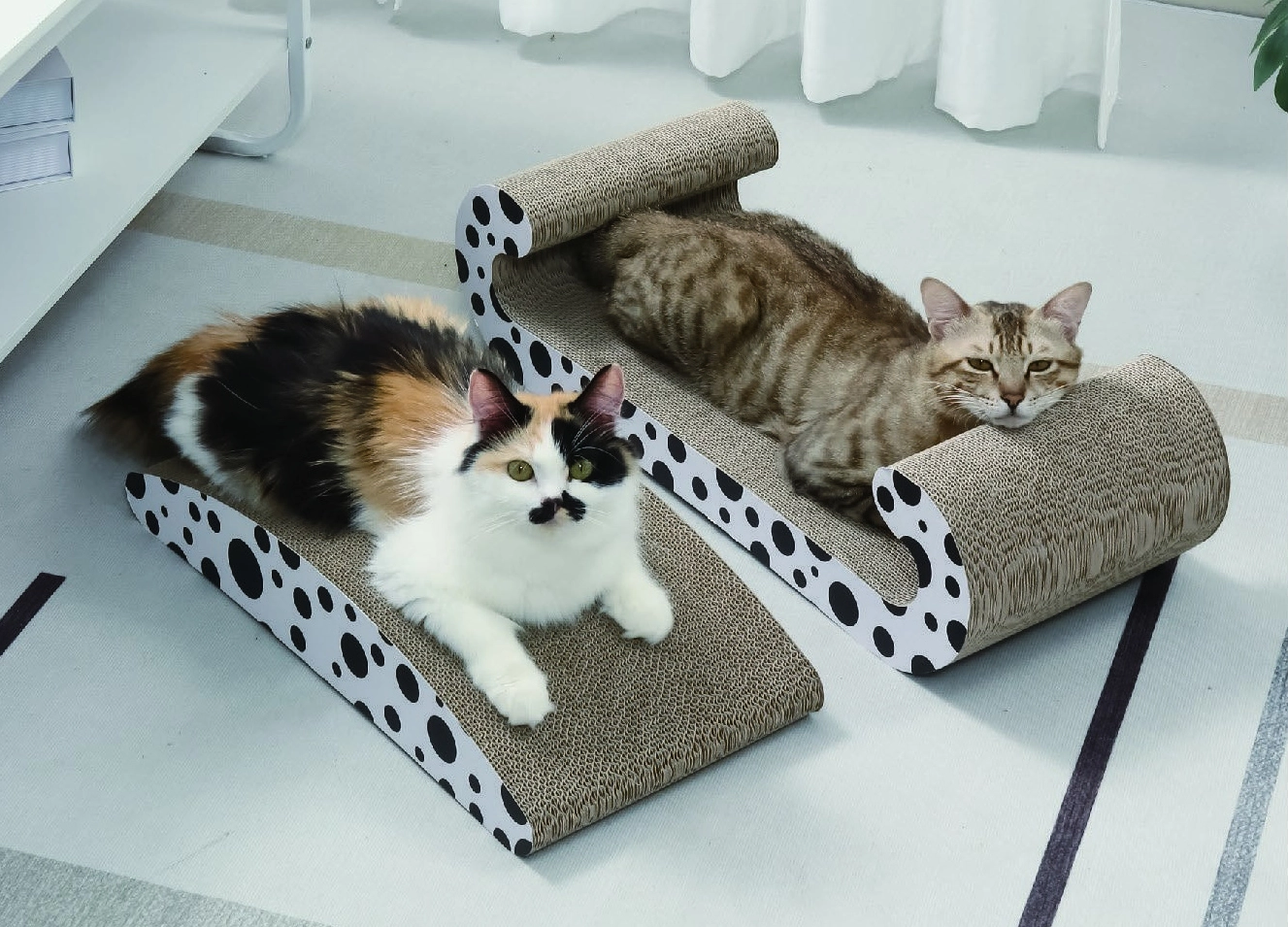
A seasonal cat scratcher collection should feel like one coherent product story rather than a group of unrelated holiday designs. The most effective approach combines a clear seasonal theme, a small range of functional formats, realistic inventory planning, and packaging that makes the products easy to gift or merchandise. Fobpet’s Holiday Series is an example of this approach: its holiday scratchers are designed with festive decoration while still giving cats a designated surface to scratch, sleep, and play during the holiday season.
Start With One Clear Theme
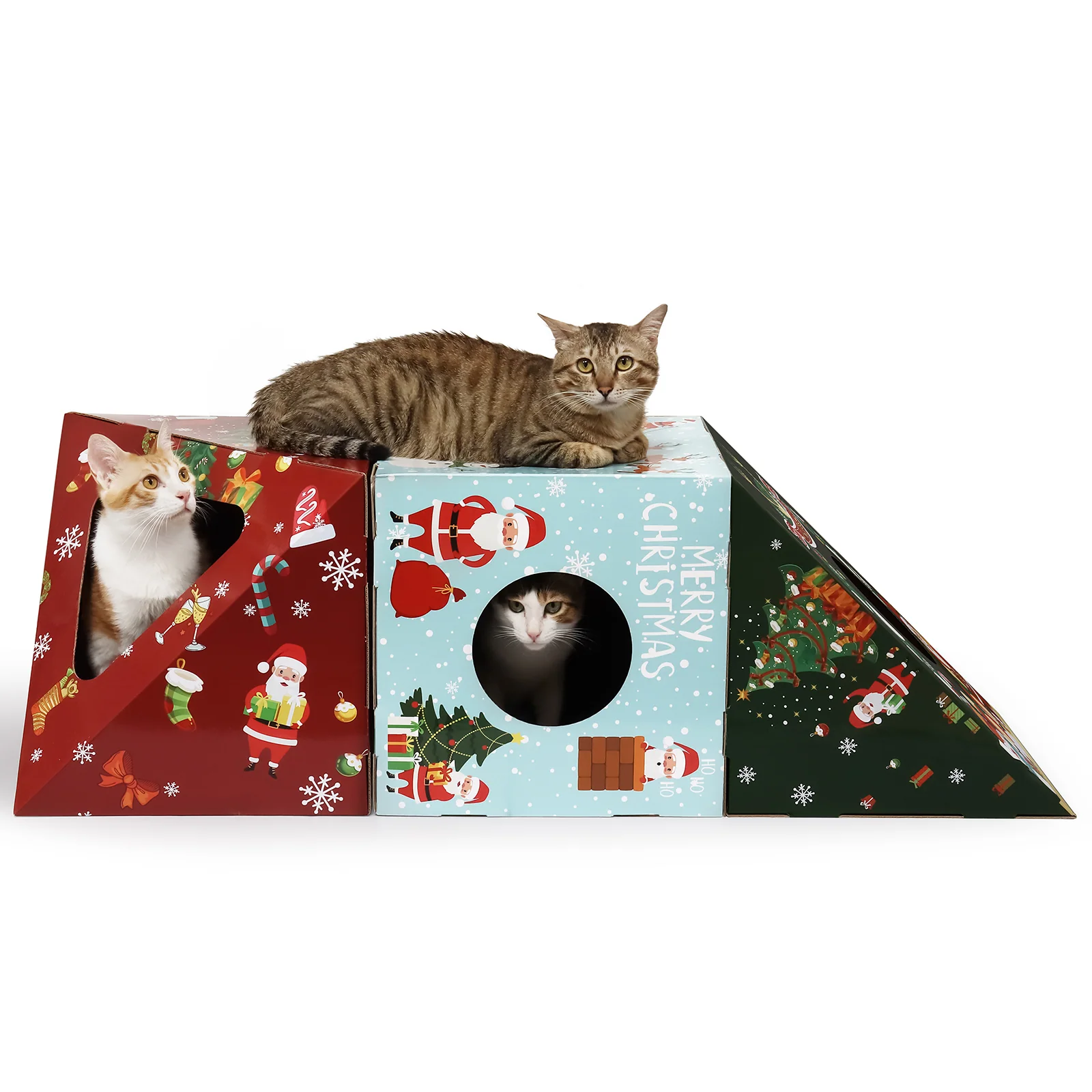
Choose a theme before creating individual products. “Winter Cozy,” “Christmas Cabin,” “Autumn Harvest,” or “Spring Garden” can guide the silhouette, color palette, packaging, product photography, and campaign message. A strong theme helps customers immediately understand why the products belong together and makes the collection easier to promote.
For a holiday collection, the theme should not overwhelm the product’s purpose. A Christmas-tree scratcher, for example, can be visually distinctive, but it still needs enough usable scratching area, a stable base, and a shape that cats will actually use. Fobpet’s holiday range follows this principle by pairing festive decoration with the practical functions of scratching, resting, and play.
Build a Small, Useful Range
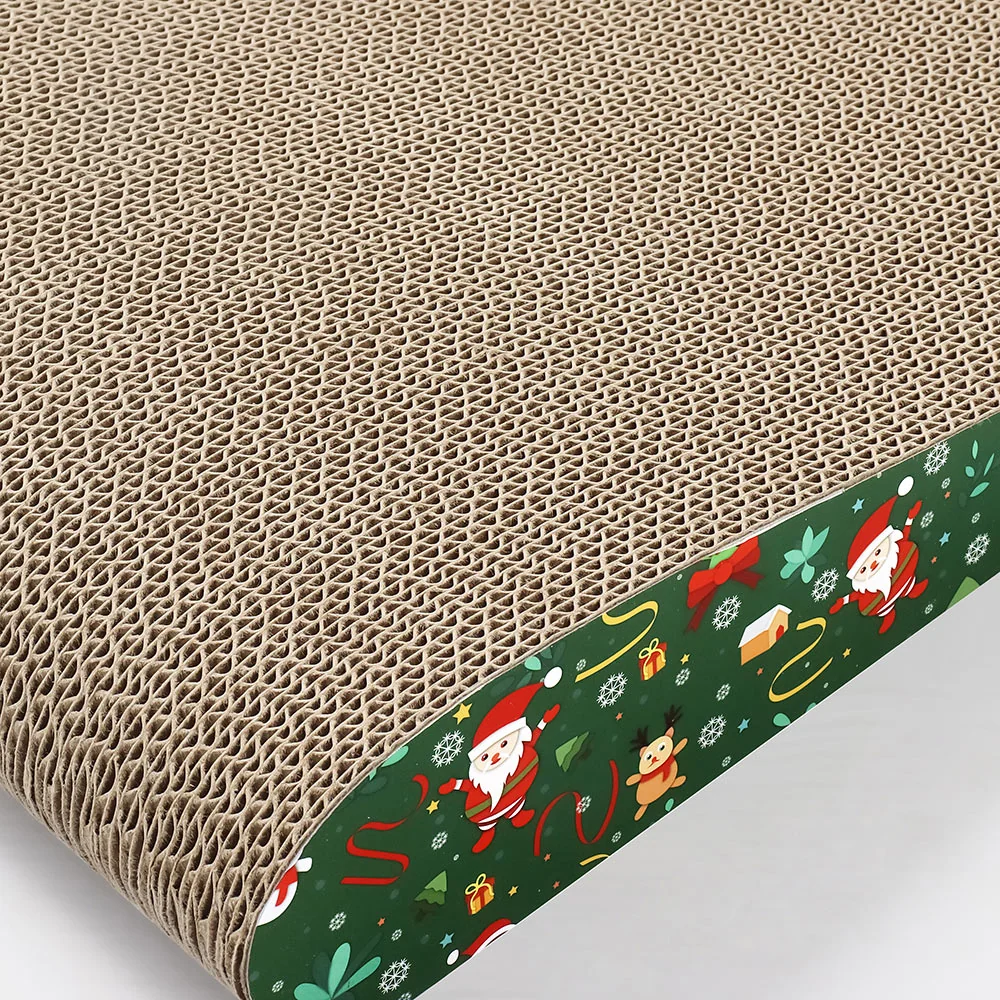
A seasonal collection does not need dozens of SKUs. Three to five well-differentiated products are usually enough: a low-cost gift item, a core everyday scratcher, a premium statement piece, and, if relevant, a replacement surface or refill. Each product should serve a different customer need rather than repeating the same basic shape in different colors.
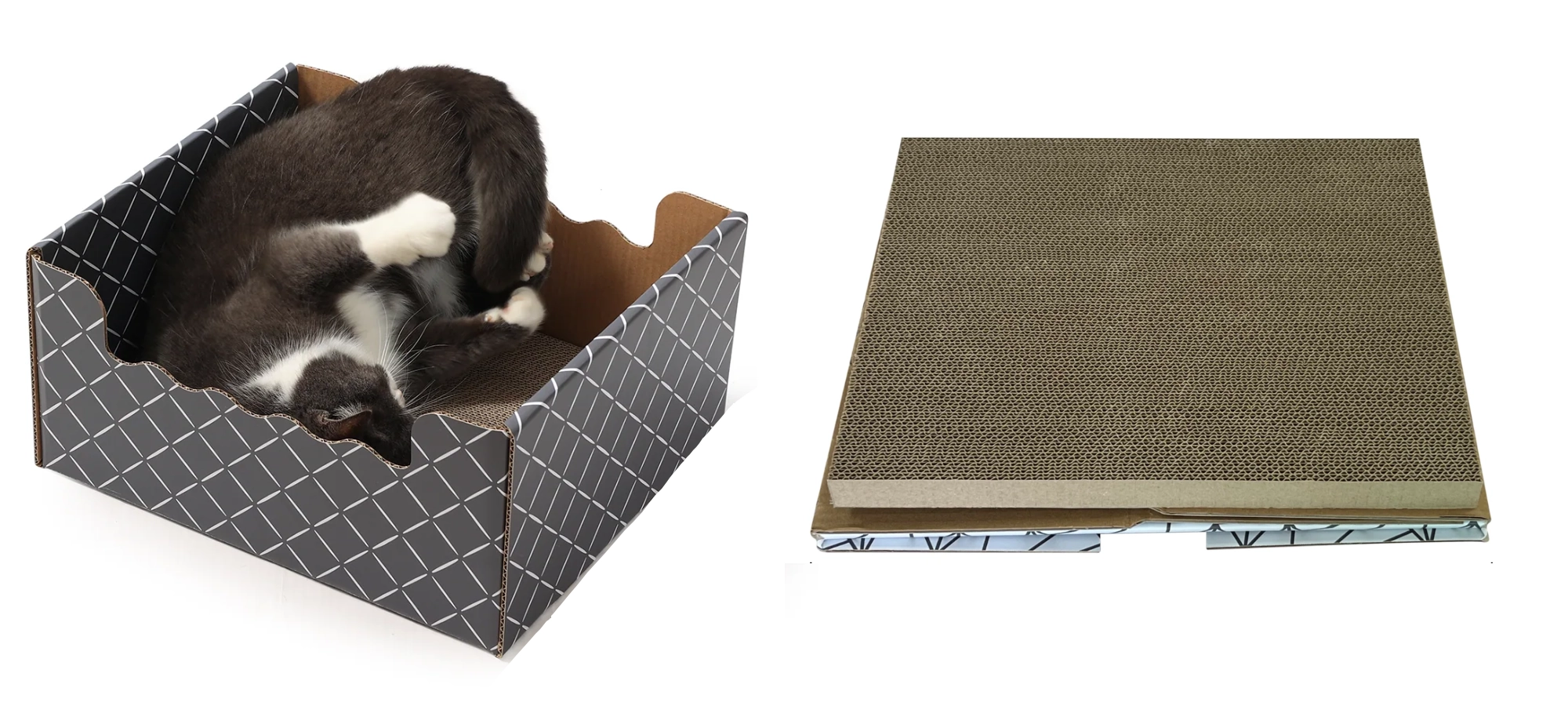
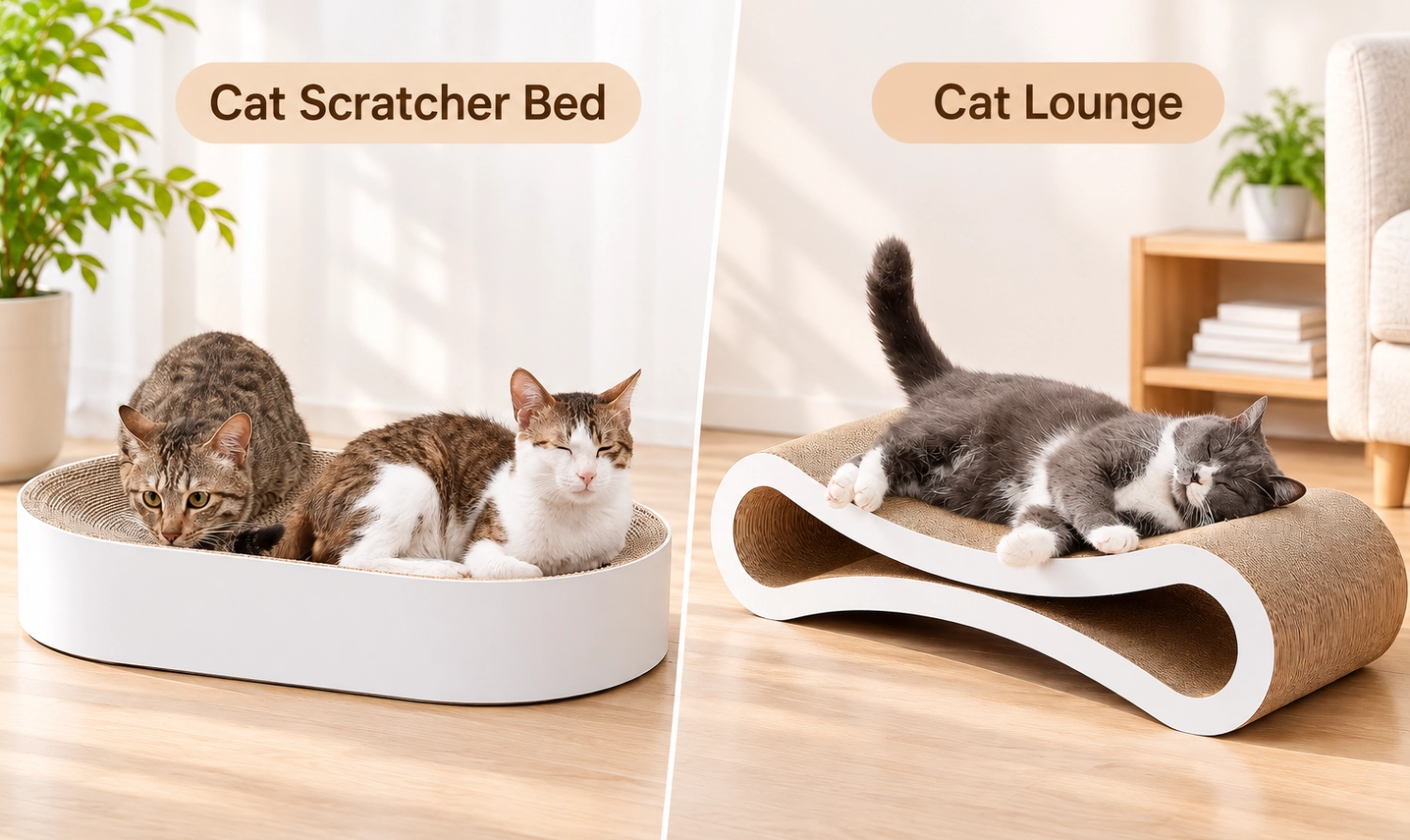
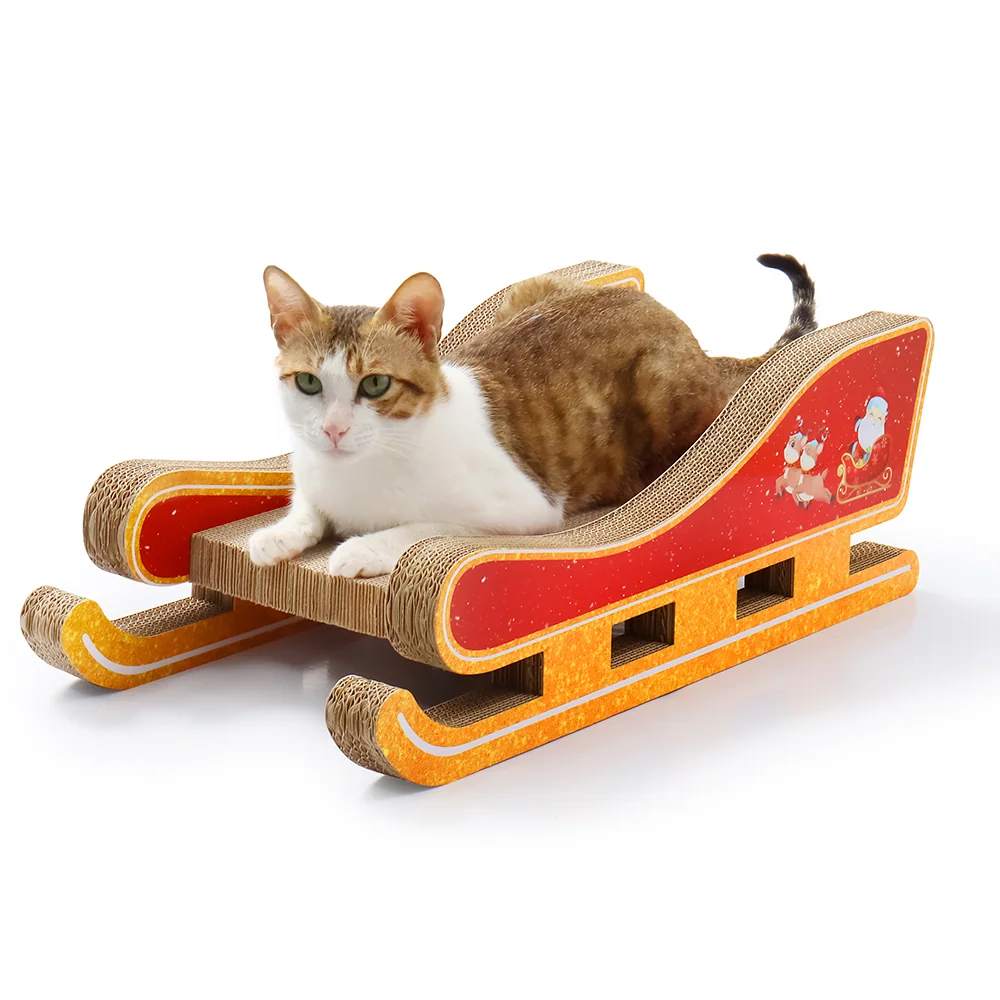
A holiday collection could include a compact gift-sized scratch pad, a larger lounge or wide scratcher for daily use, and a themed scratch house that works as both a cat product and seasonal home décor. This structure gives retailers an entry point for impulse buyers while also offering a higher-value option for customers who want something more decorative or substantial.

Put Function Before Decoration
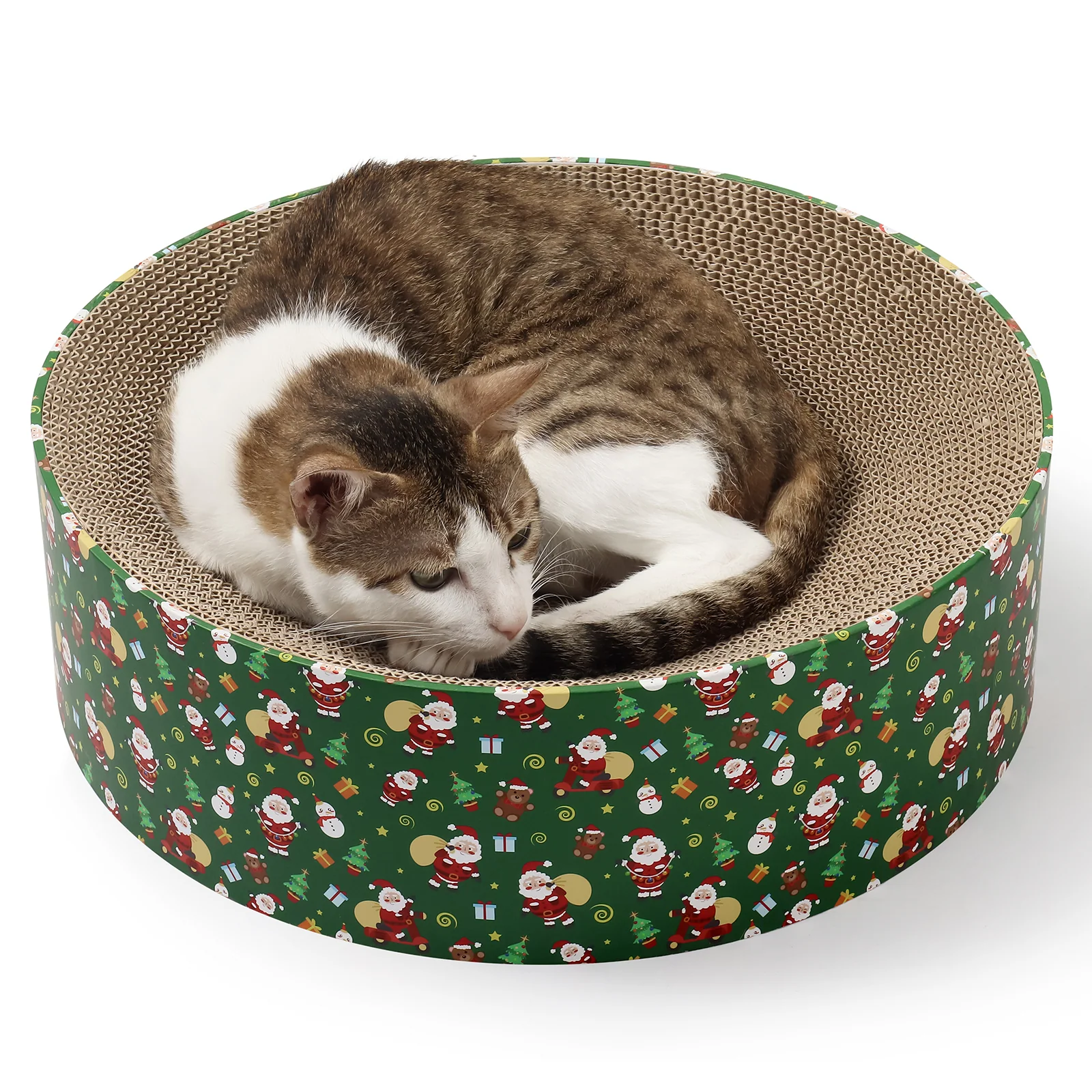
Seasonal styling should enhance the product, not replace its function. Before approving artwork or production samples, confirm that the scratcher supports natural scratching behavior: cats need a stable surface, enough space to stretch and scratch, and a form that stays in place during use.
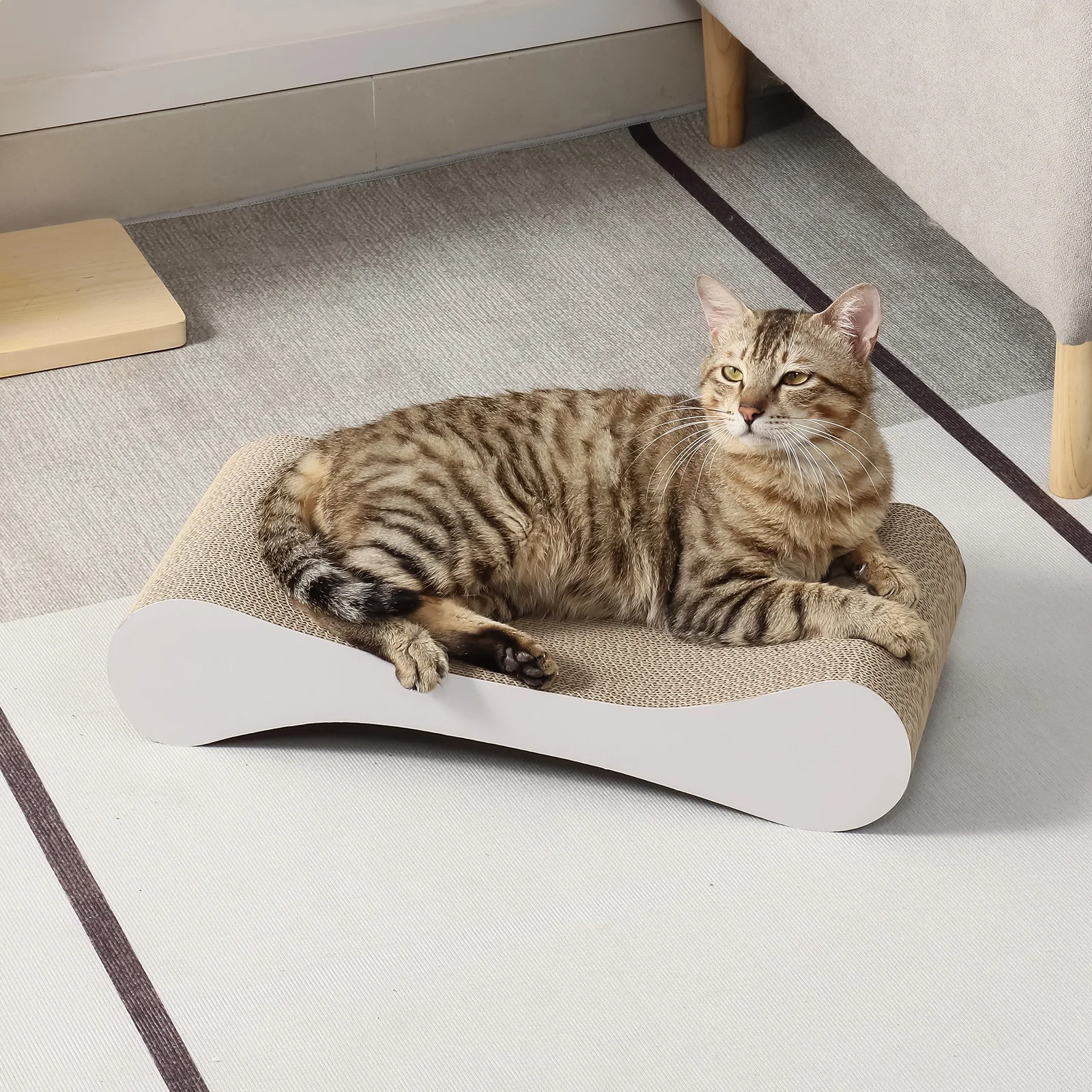
A useful test is to place the product where a customer would realistically use it, such as beside a sofa or in a living-room corner. If it slides, tips, hides the scratching surface, or becomes difficult to assemble, the seasonal design needs revision. Fobpet’s positioning of holiday scratchers as products for scratching, sleeping, and playing is a useful reminder that decoration should support—not replace—everyday use.
Create a Product Brief
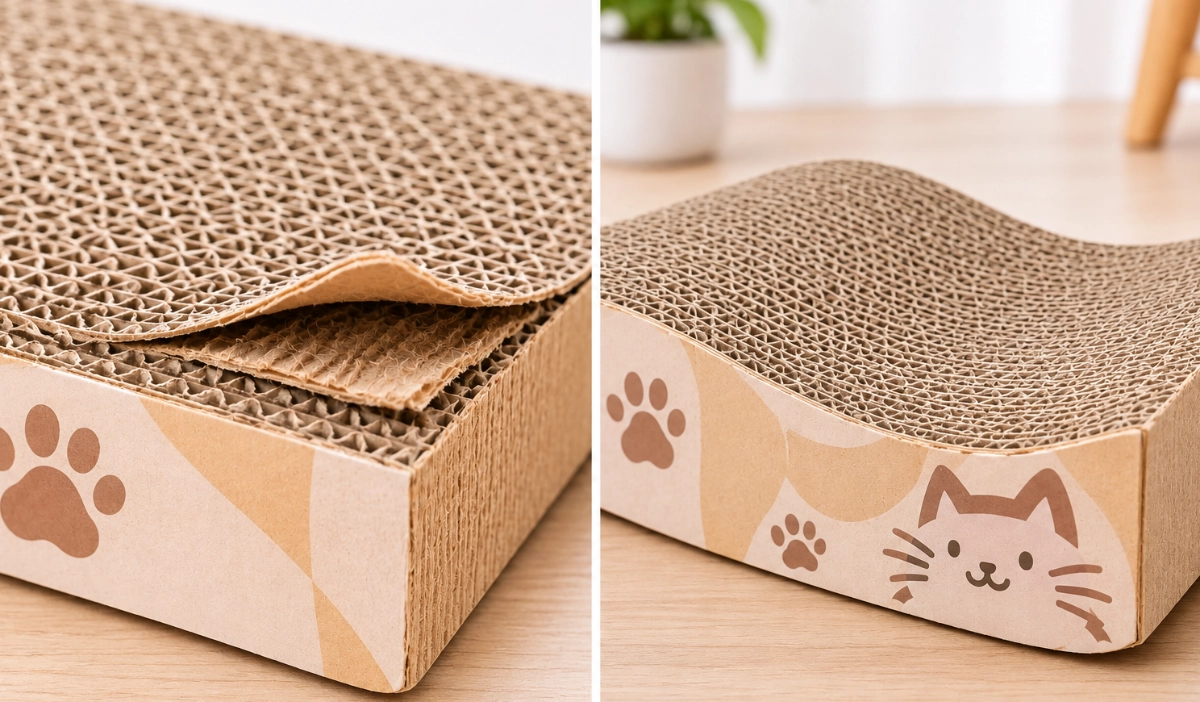
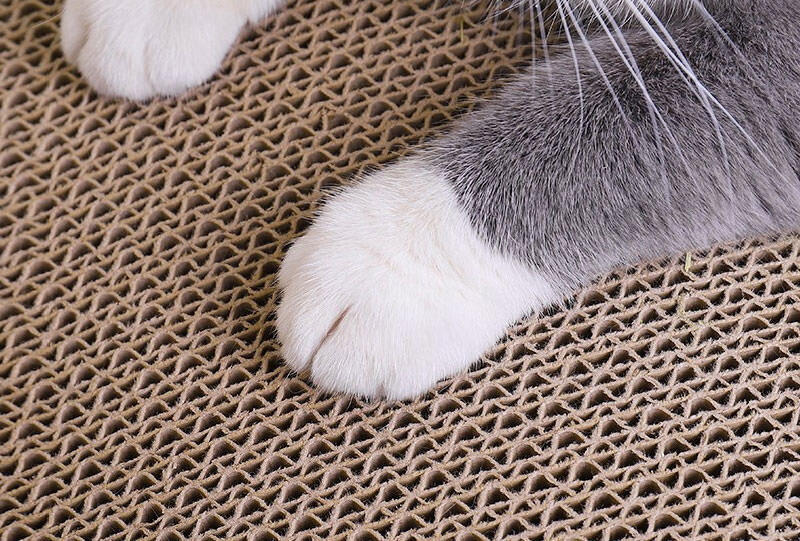
Prepare a clear brief for every SKU before requesting supplier quotations. This reduces misunderstandings and makes it easier to compare samples, costs, and production options. The brief should cover dimensions, usable scratching area, corrugated-board construction, printing and artwork requirements, packaging size, accessories, target retail price, and landed-cost target.
For seasonal products, also specify how the holiday elements are applied. Decide whether the design uses printed graphics, shaped cardboard, removable decorations, or a separate gift sleeve. Removable or understated seasonal details can extend the product’s selling life beyond the holiday period, while fully themed construction may create a stronger gift impression but increase the risk of leftover inventory.
Validate Samples With Real Cats
Do not rely only on appearance or supplier photos. Test samples with cats of different sizes and habits, and observe whether they scratch, rest, avoid, or ignore the product. Pay attention to stability, edge quality, material odor, assembly, and whether the scratching surface is positioned where cats naturally want to use it.
Document the results in a simple sample-review form. This makes it easier to compare suppliers and decide whether a design needs changes before committing to a production order. A product that photographs well but moves when a cat scratches it will create returns, poor reviews, and unnecessary markdowns.

Plan Inventory Around the Season
Seasonal demand is time-limited, so inventory planning matters as much as product design. Start with historical sales from comparable periods, then adjust for stockouts, promotions, price changes, competitor activity, and current market trends rather than relying on last year’s total alone.
A practical purchase calculation is:
\text{Purchase requirement} = \text{Forecast demand} + \text{Safety stock} - \text{Usable stock} - \text{Incoming inventory}
Plan backward from the final date when replenishment can still arrive and sell. Consider supplier lead time, minimum order quantities, freight timing, warehouse capacity, and the point at which markdowns become necessary.
Avoid Equal Orders Across SKUs
Do not order the same quantity of every seasonal design. Give proven formats more depth, while keeping initial quantities smaller for new shapes, unfamiliar themes, or higher-priced products. This limits exposure if a design does not connect with customers.
For example, a simple holiday scratch pad may justify a deeper buy because it is easy to display, gift, and replenish. A large themed scratch house may need a more cautious first order until sell-through data confirms demand. Splitting purchase orders, reserving capacity for strong sellers, and preparing markdown rules early can reduce end-of-season inventory risk.
Plan the Launch Backward
Work backward from the selling window. For a Christmas collection, sampling, production, freight, receiving, photography, listings, and retailer onboarding must be finished before the main gifting period begins. Launching early-bird promotions or pre-holiday campaigns can help capture attention before competitors and before the peak shopping period is already underway.
The launch plan should coordinate product readiness with marketing. A collection can have strong designs, but it will underperform if photography, packaging, product pages, retailer displays, and promotional messaging are not ready at the same time.
Learn From the First Season
Track sell-through by SKU, channel, price point, and design. Look beyond total sales to conversion rate, reviews, return reasons, repeat purchases, and markdown depth. These signals reveal which formats deserve a larger order next season and which themes should be retired.
The best seasonal cat scratcher collection is not necessarily the most elaborate one. It is a focused, functional range with a clear theme, a small number of differentiated products, and enough flexibility to improve in the following season. Fobpet’s holiday series illustrates the core idea: festive appeal can attract attention, but the product must still deliver a reliable scratching, sleeping, and play experience.